Land of Technology
"CYBERPUNK CITY: REFRAMING TOKYO AS A FUTURISTIC WONDERLAND"
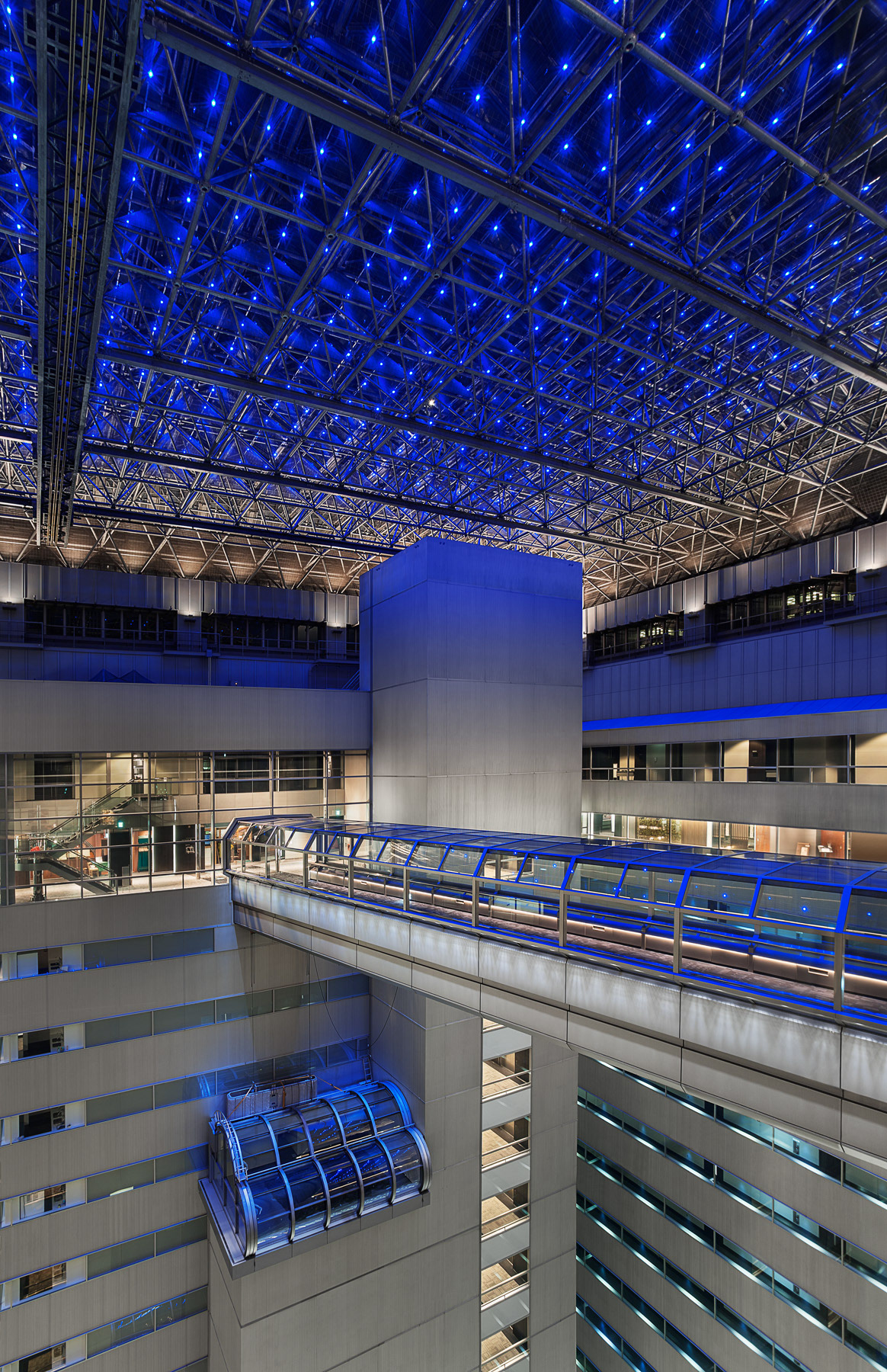
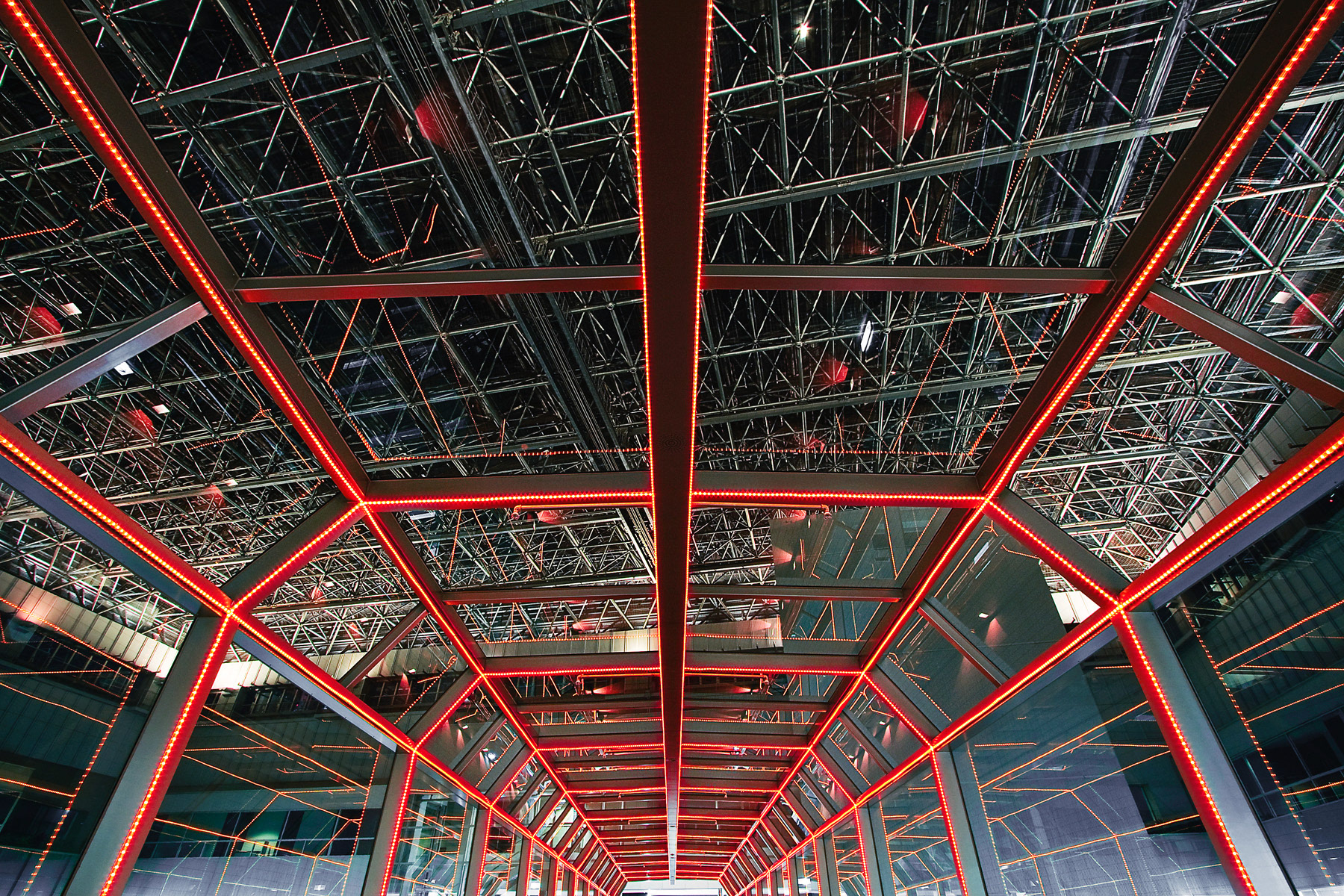
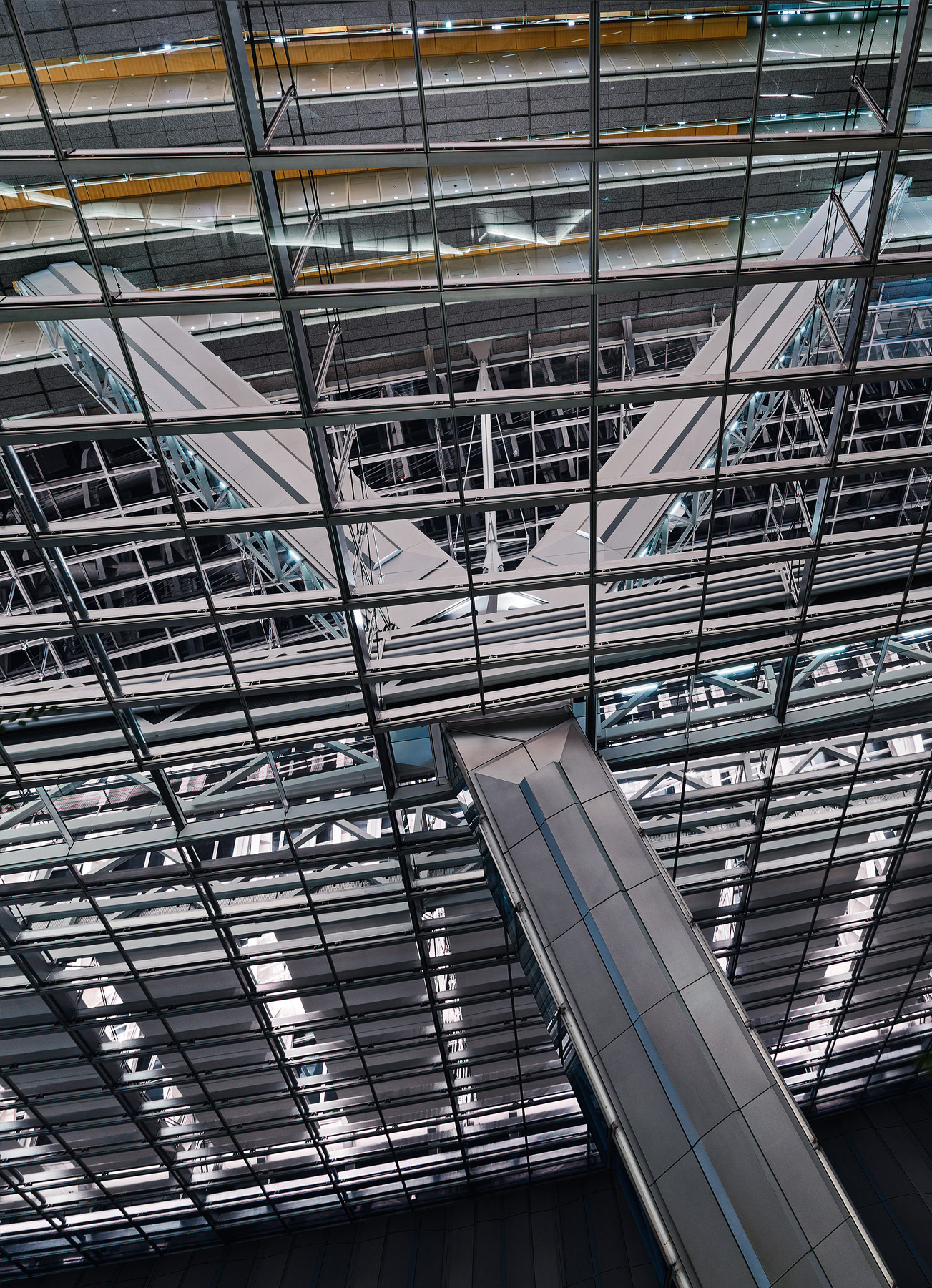
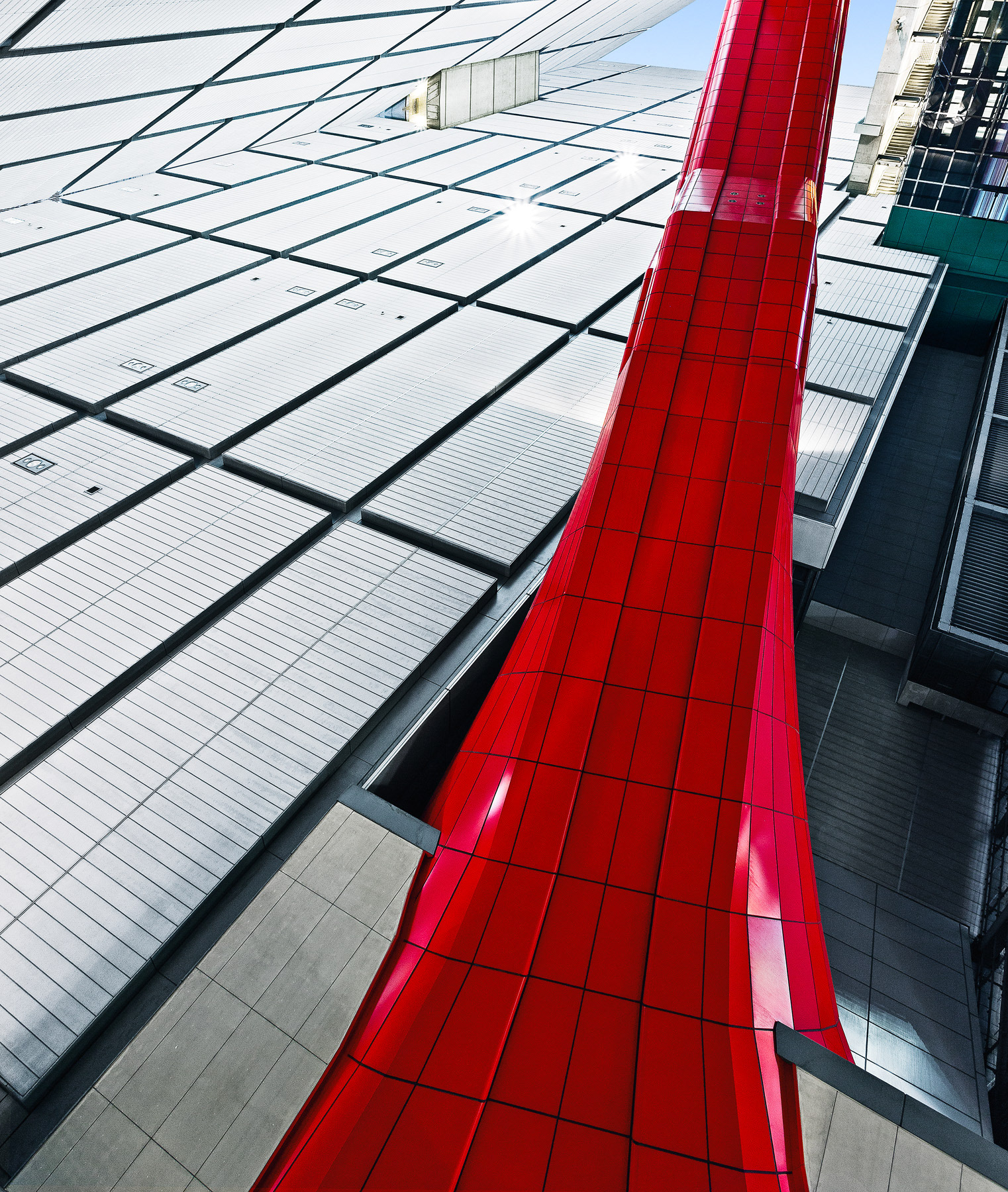
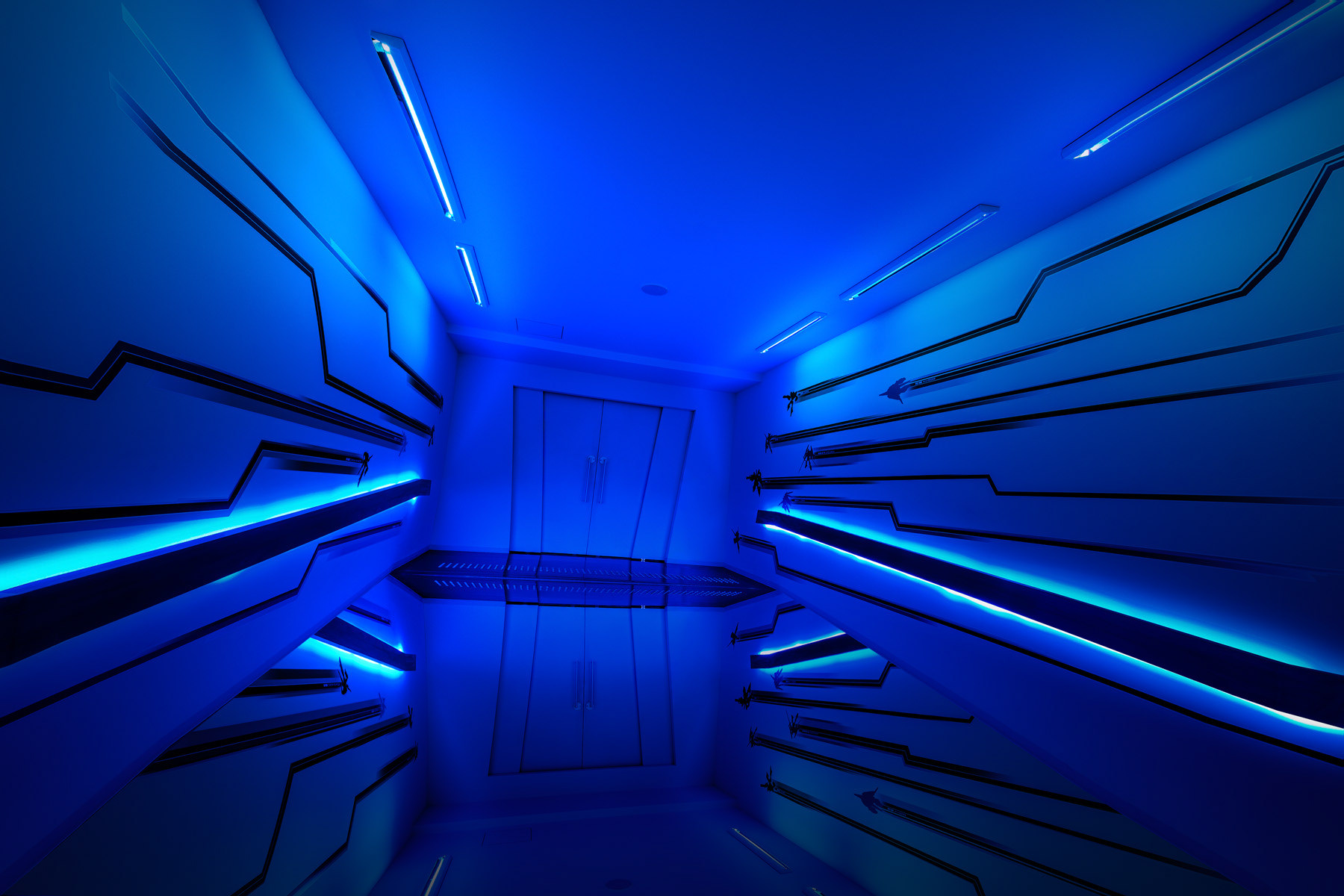
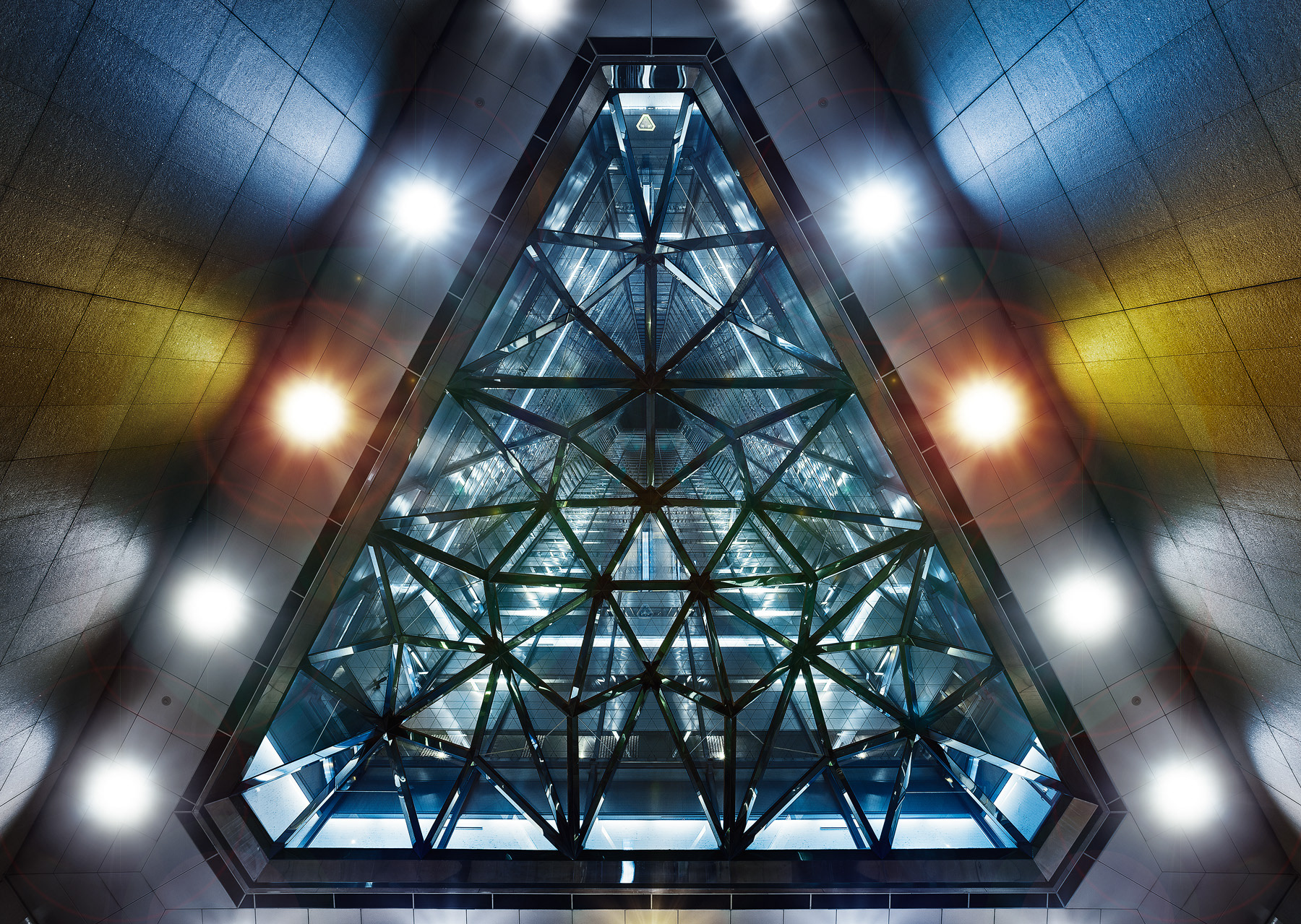
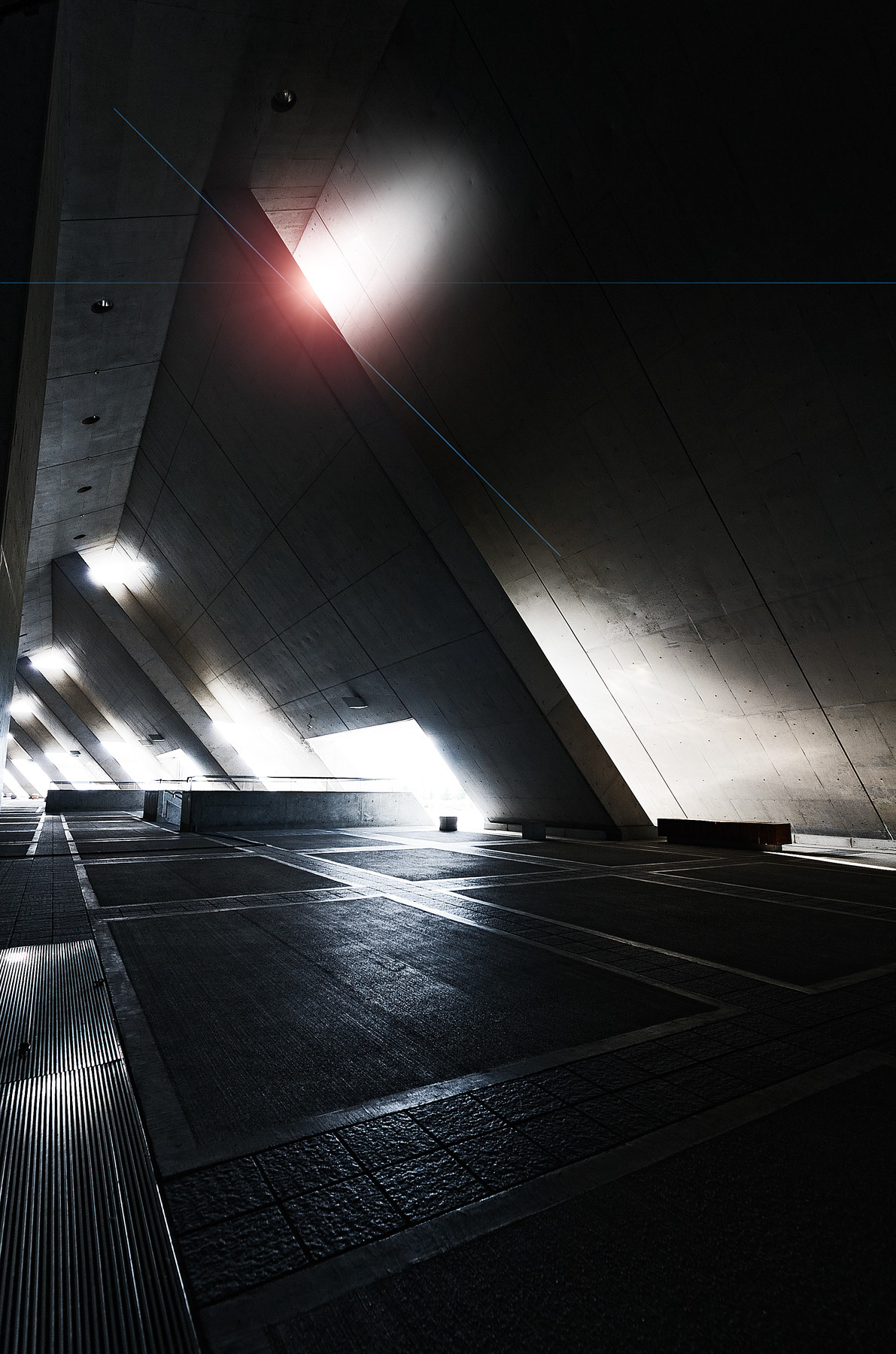
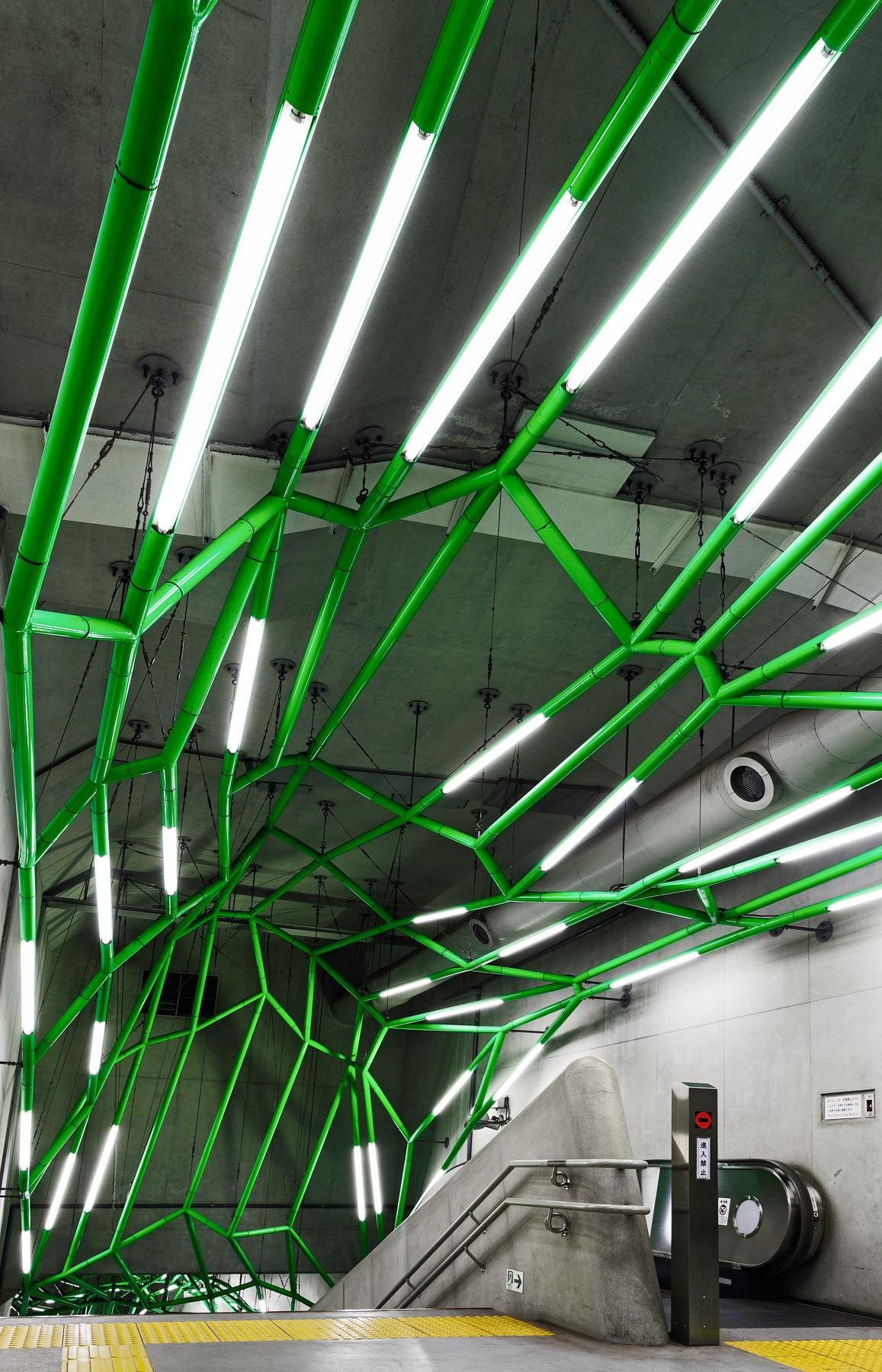
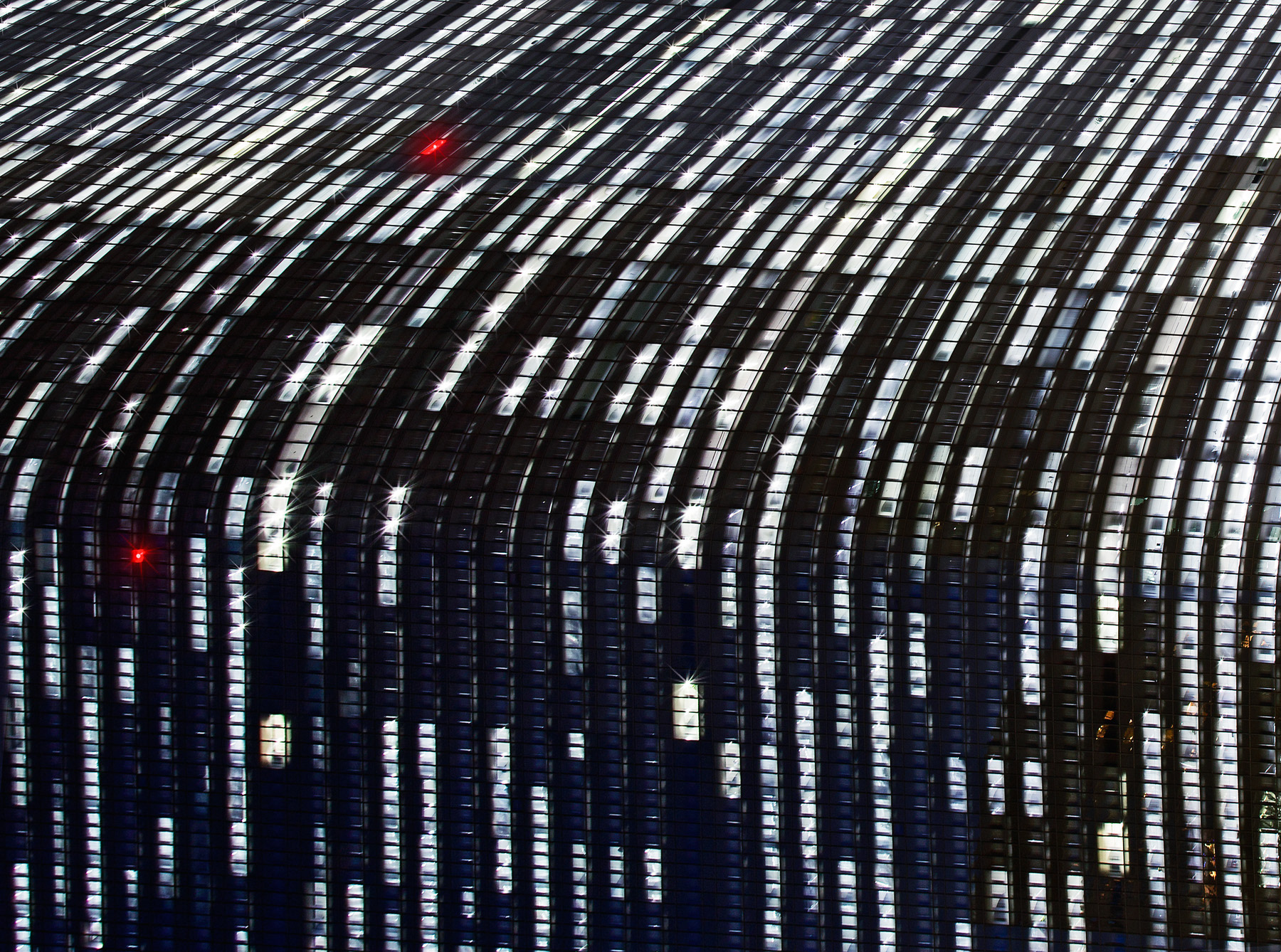
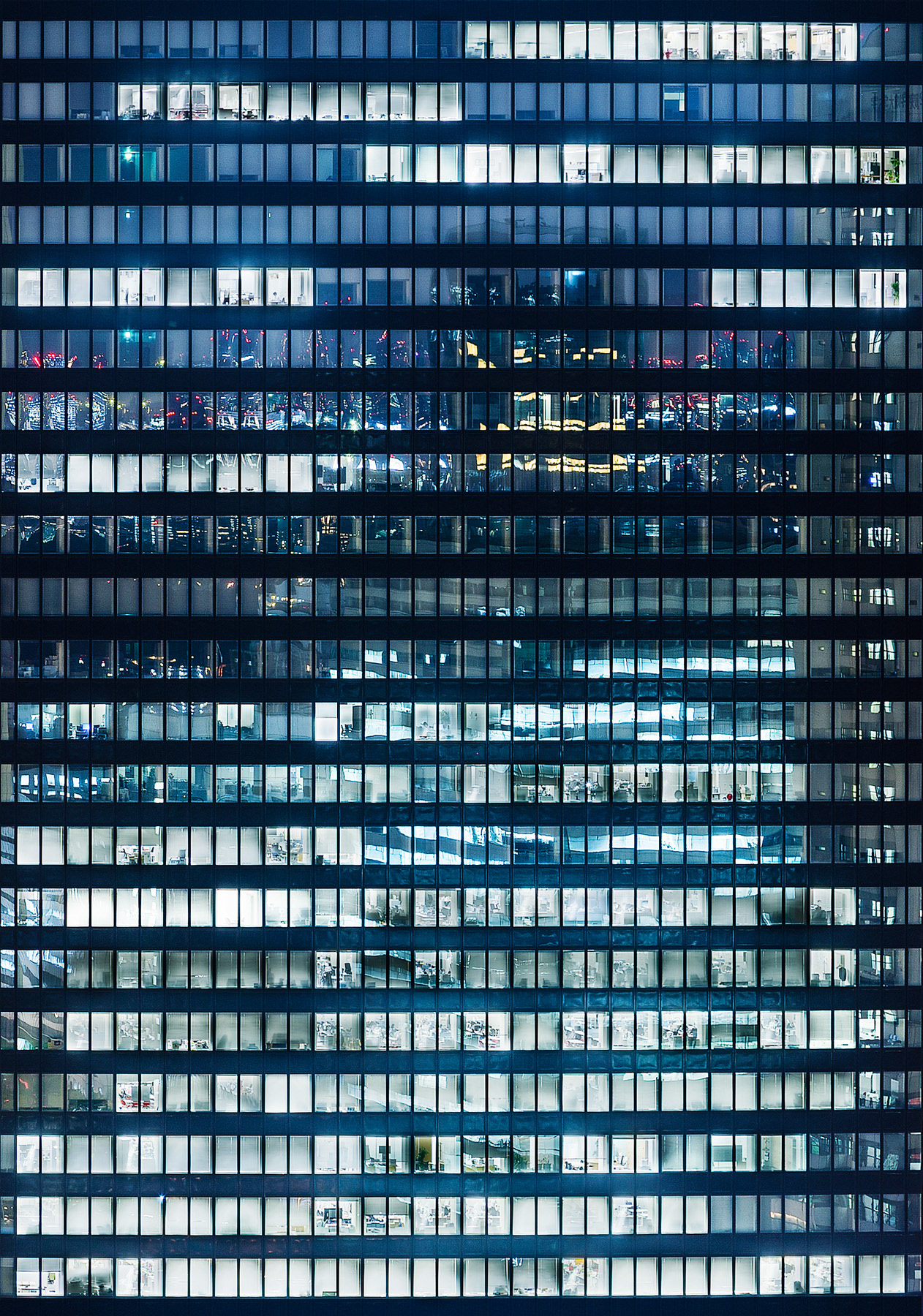
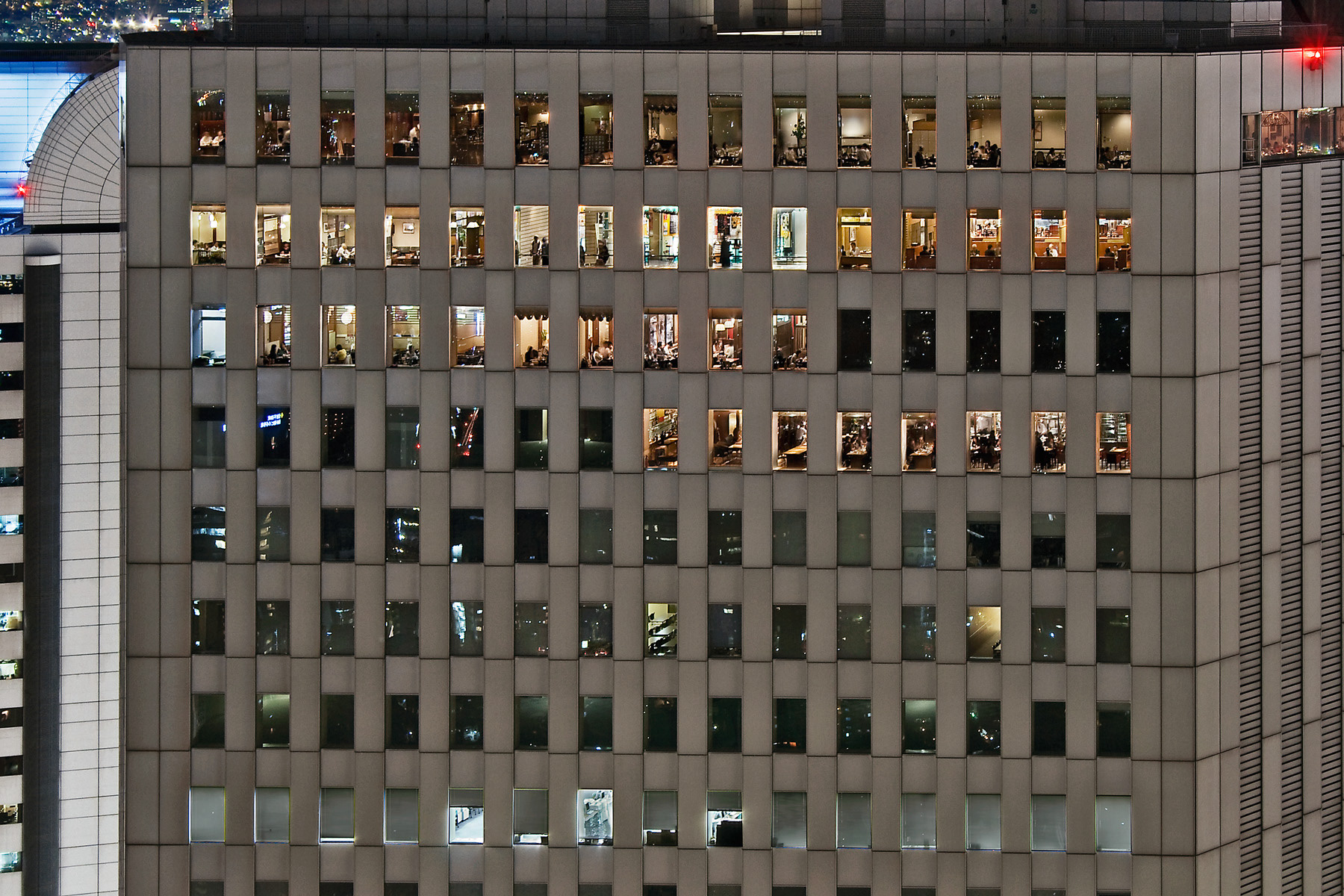
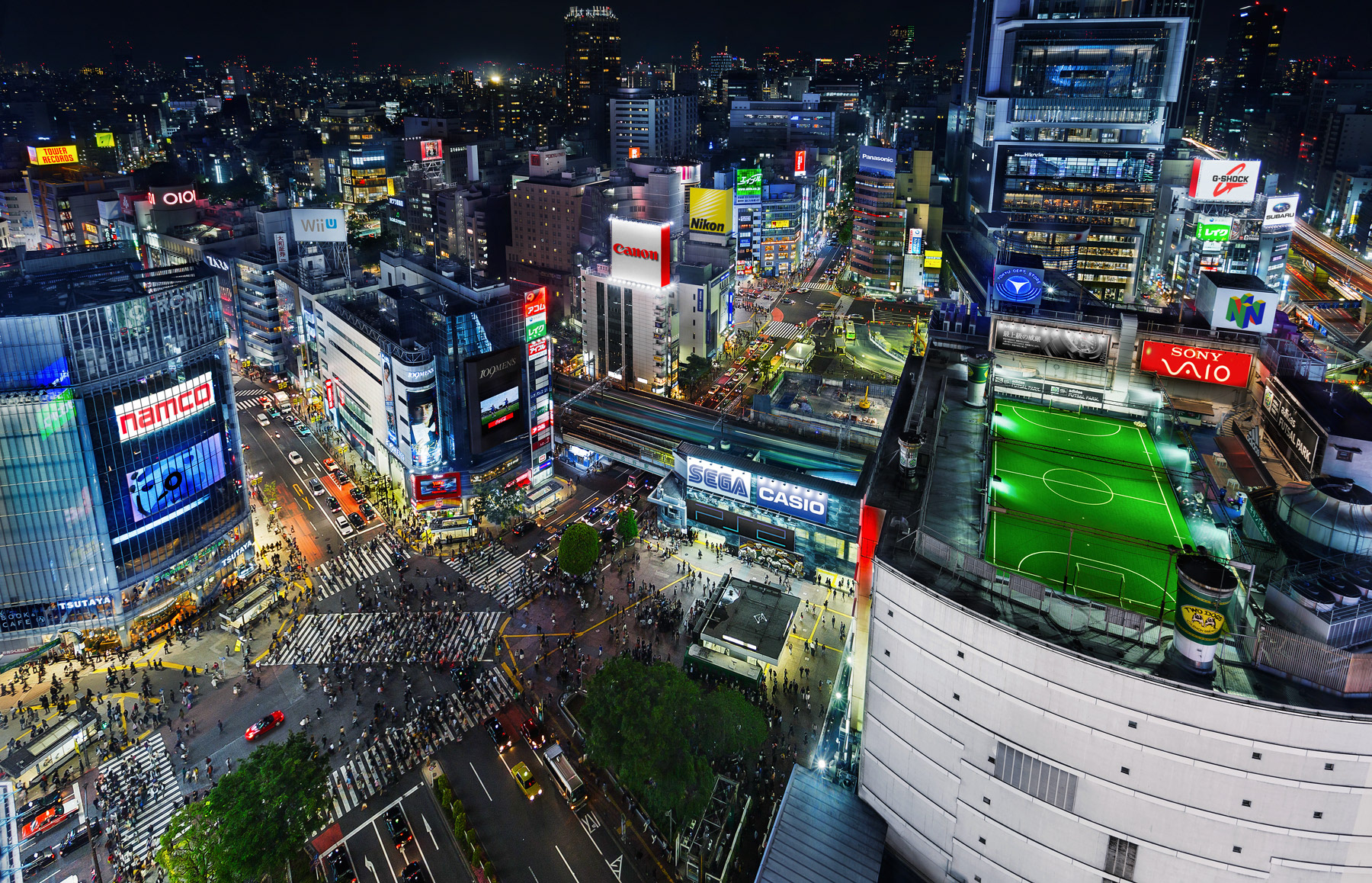
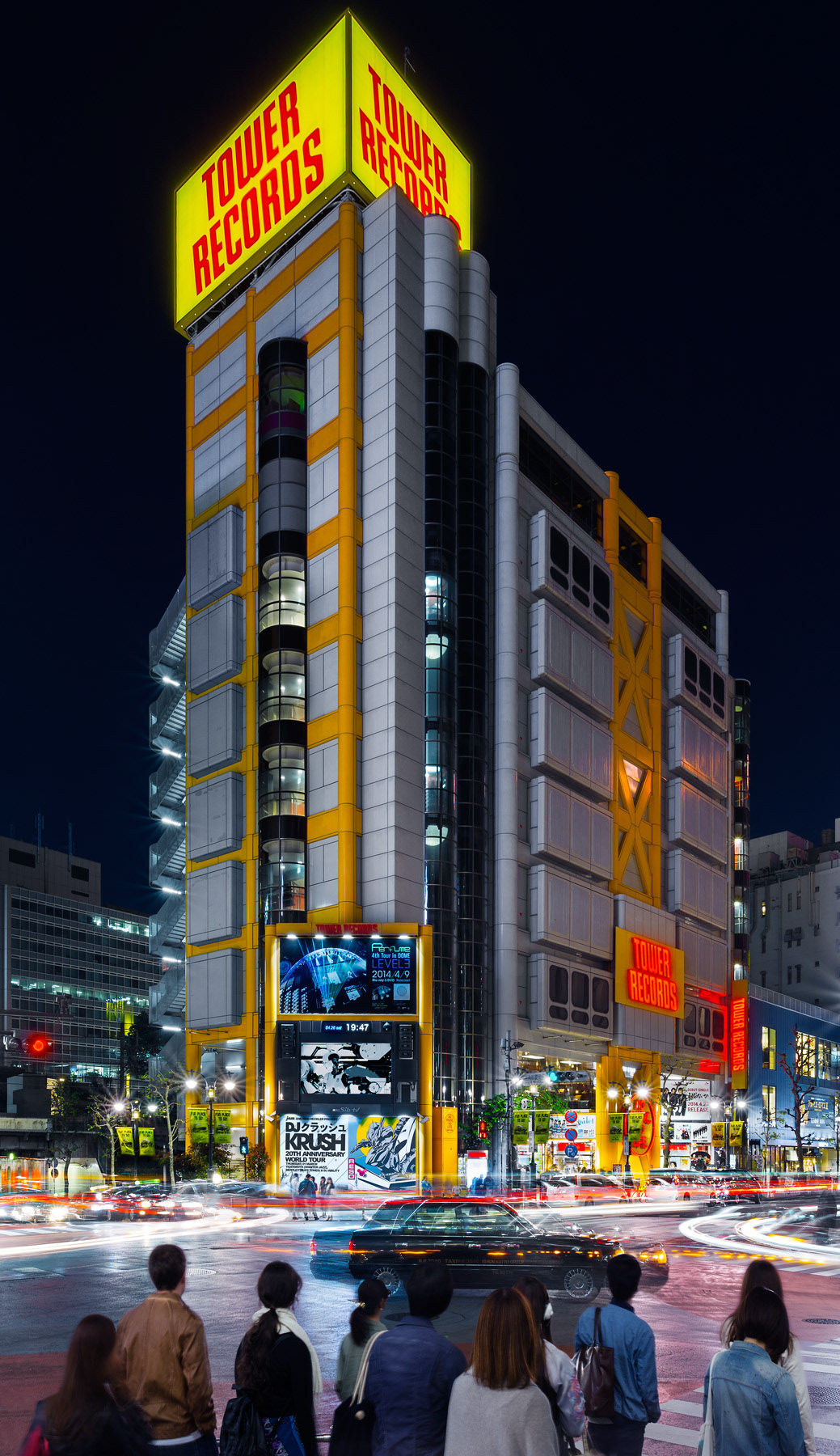
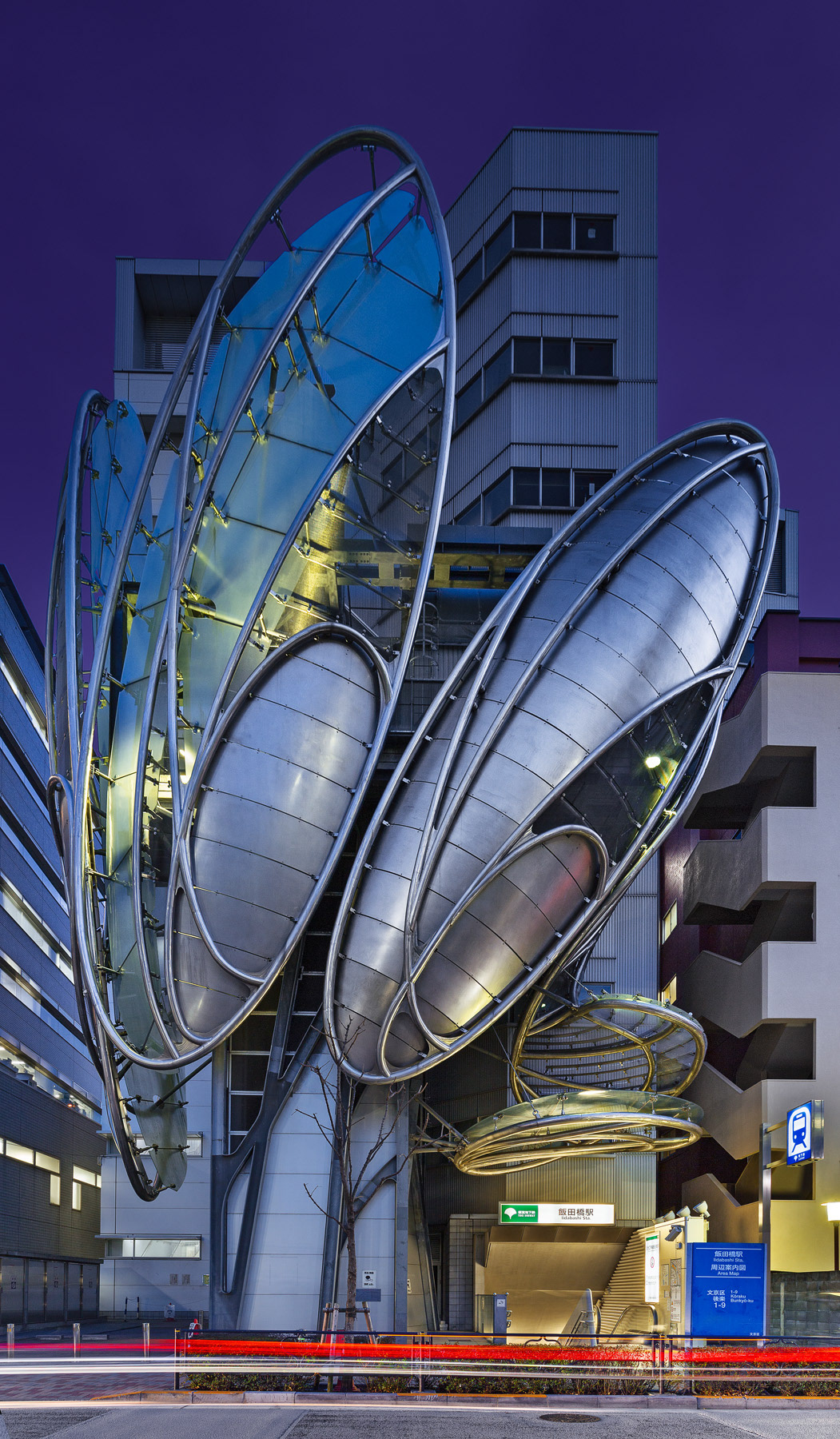
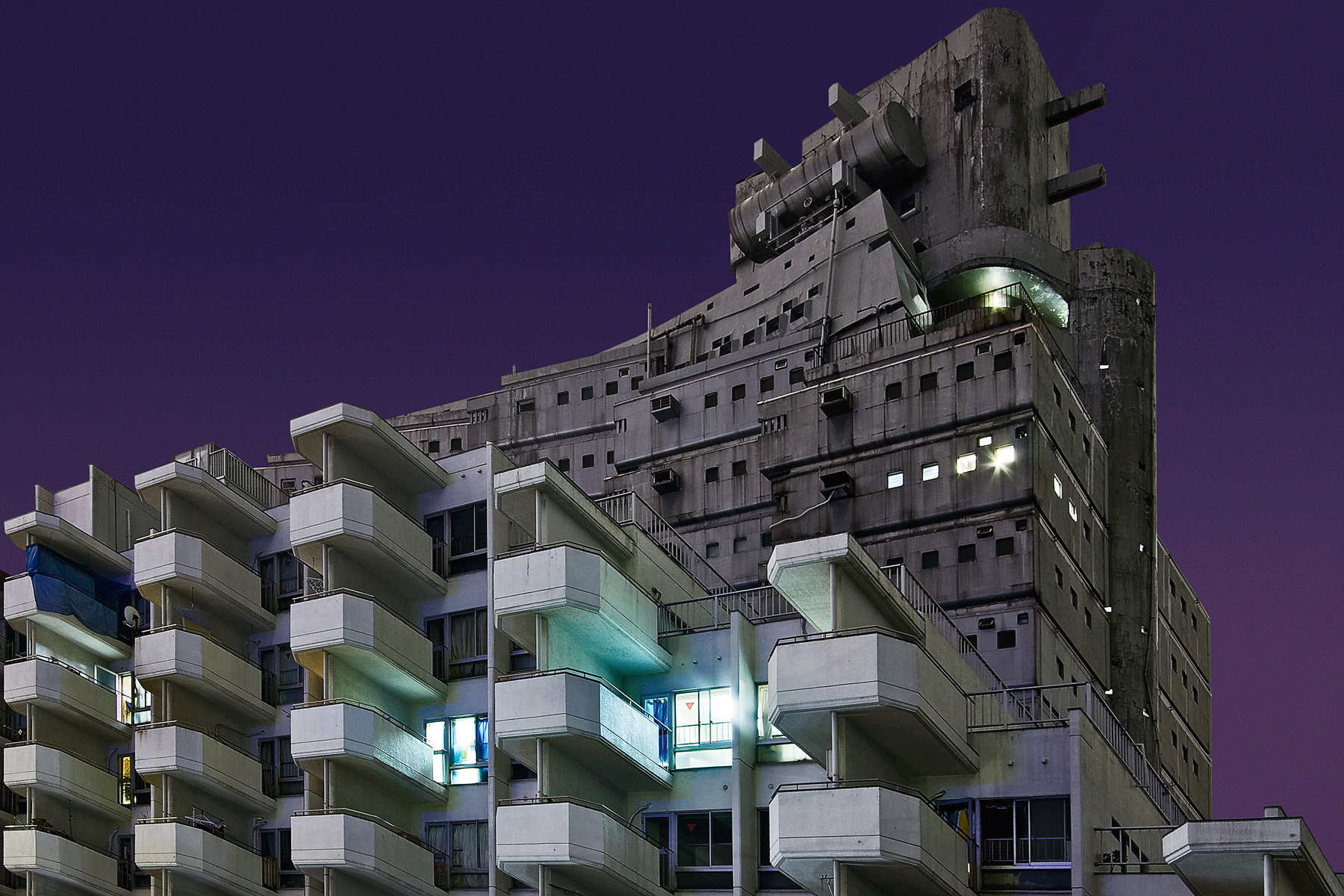
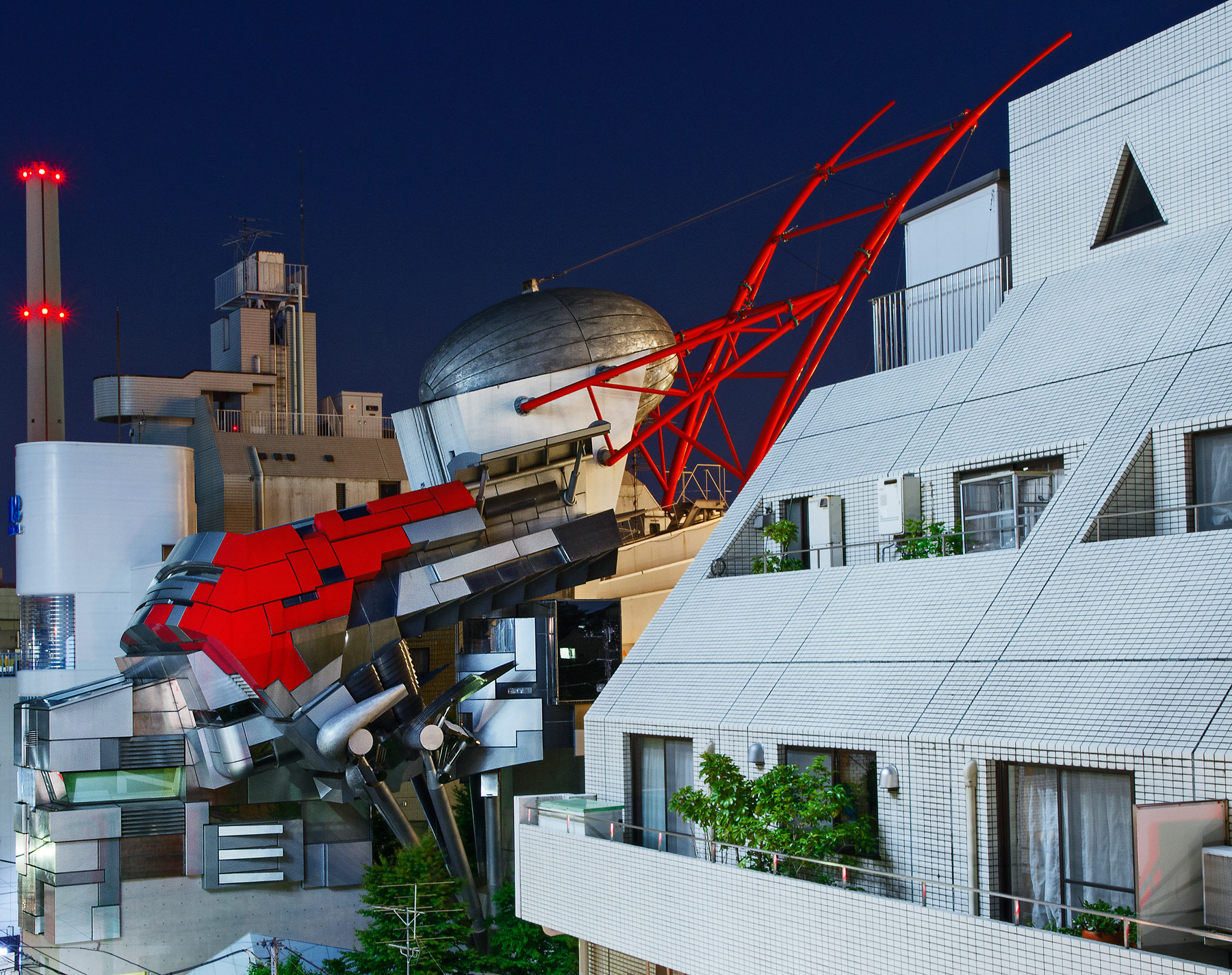
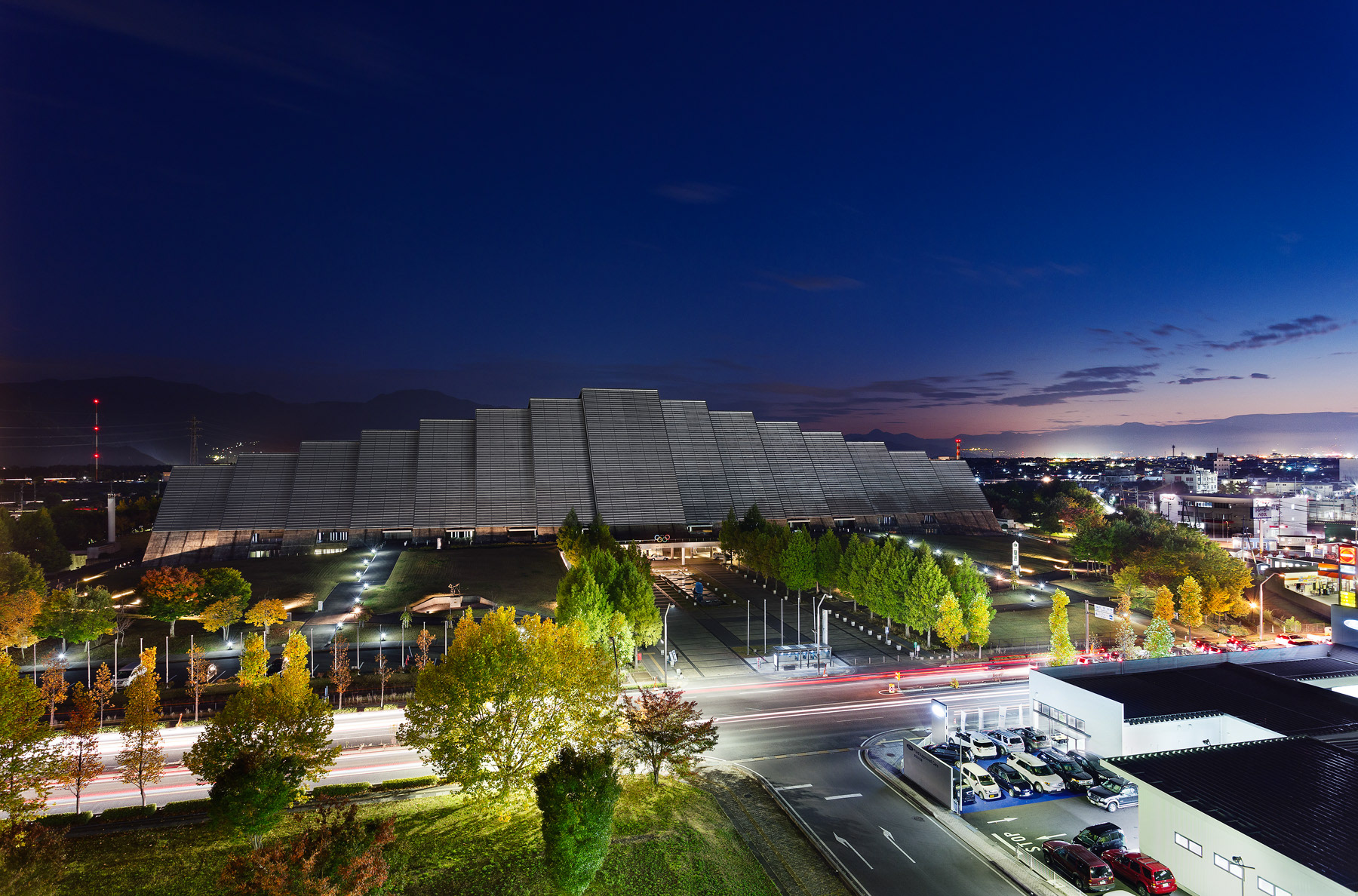
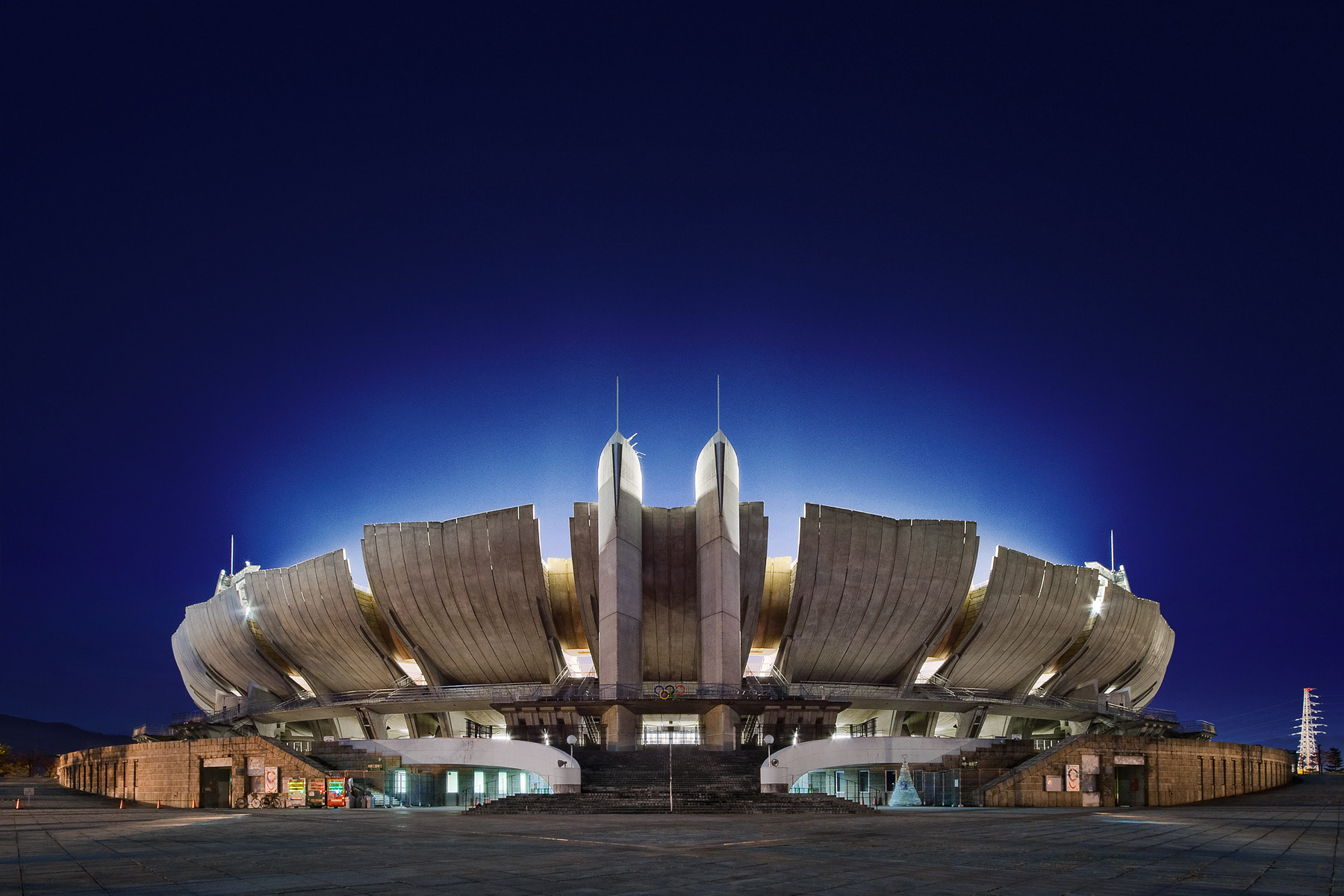
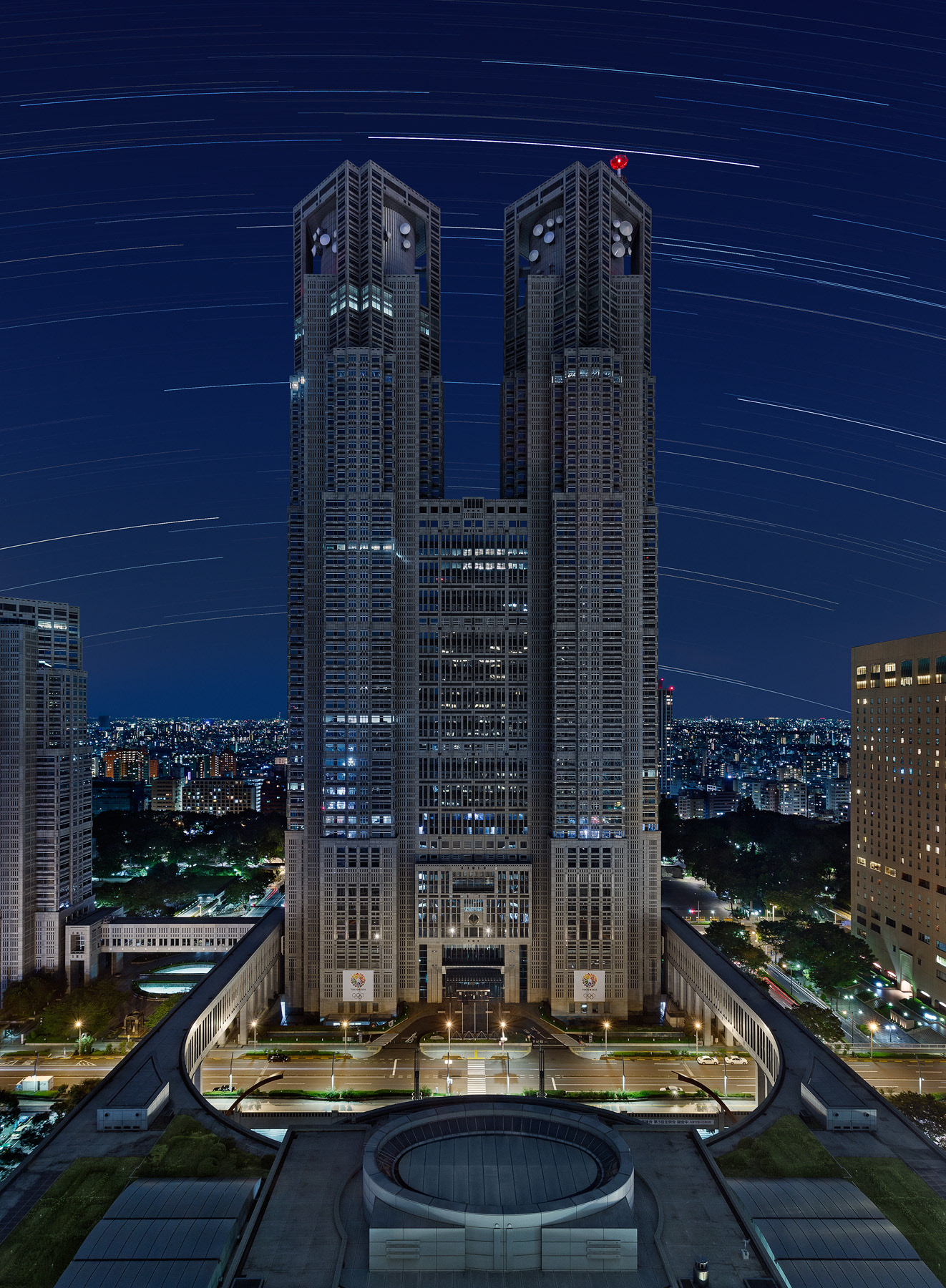
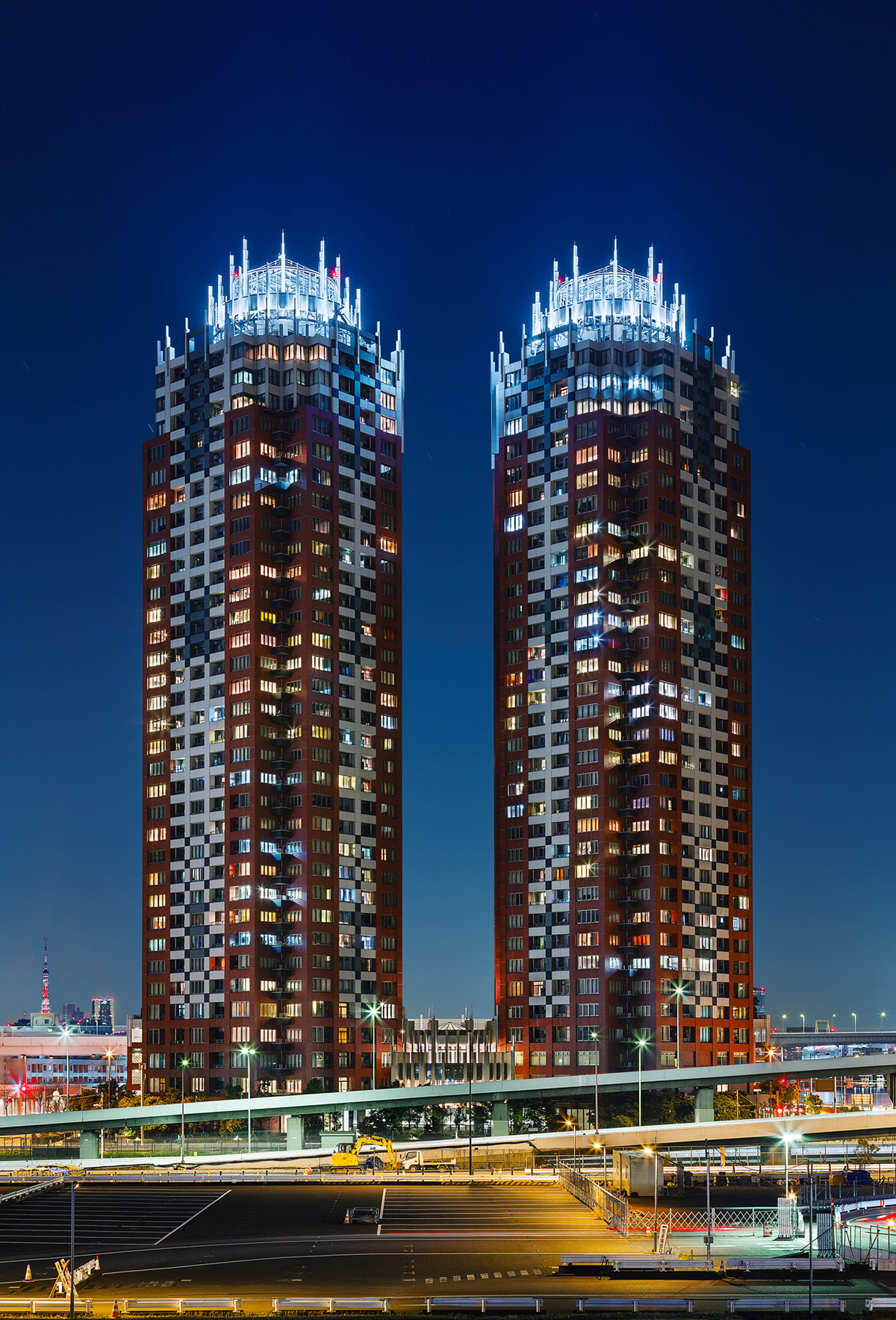
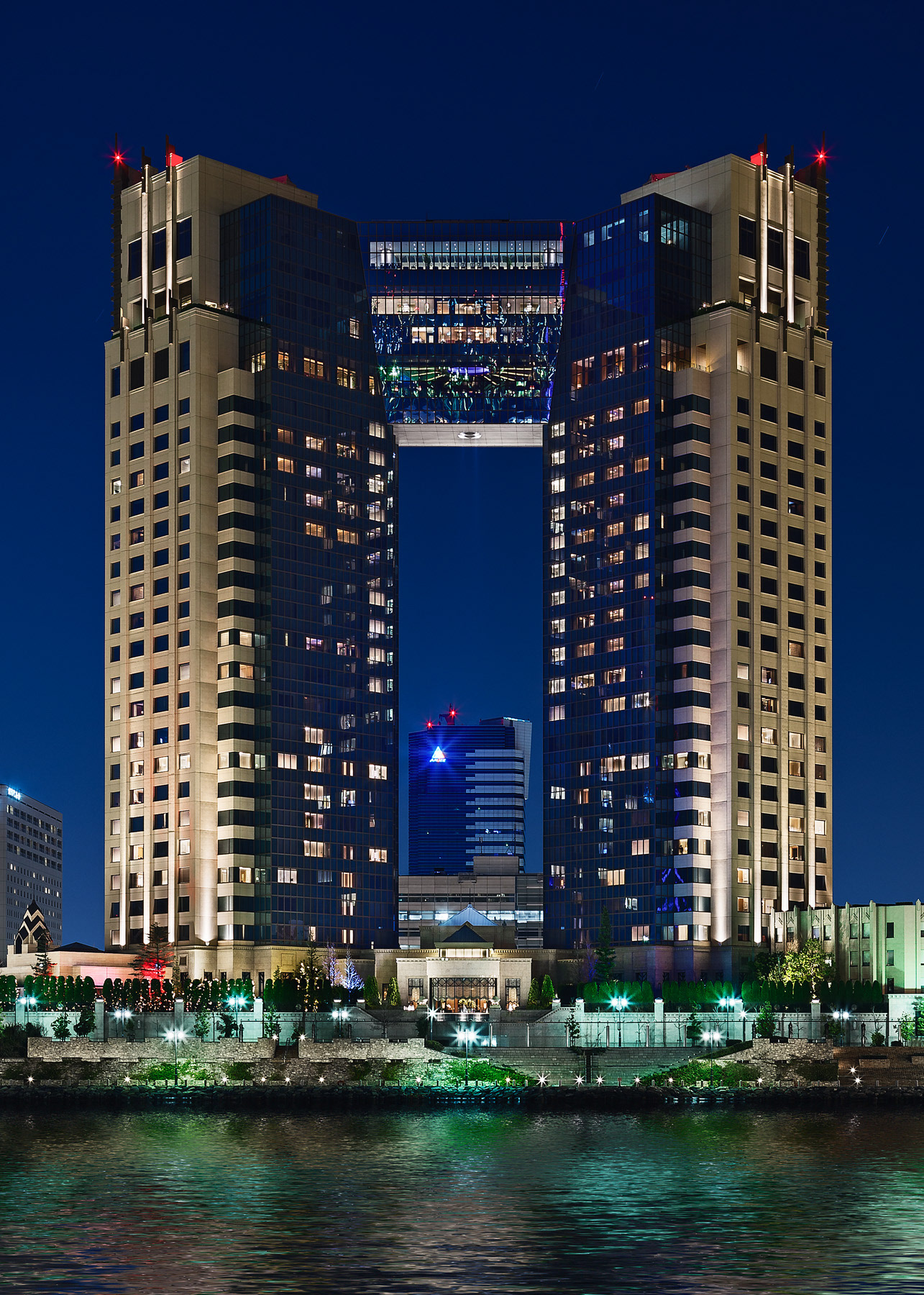
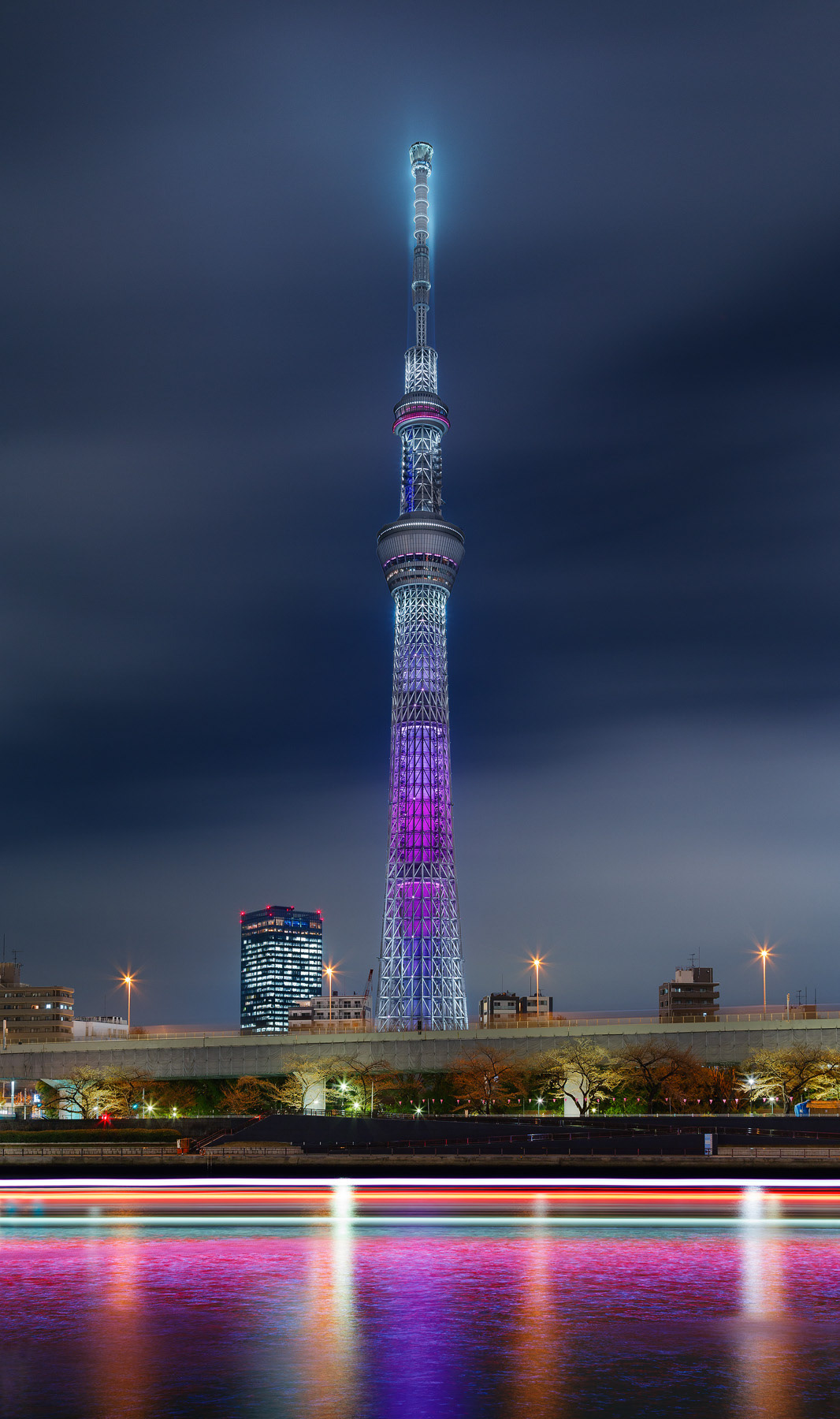
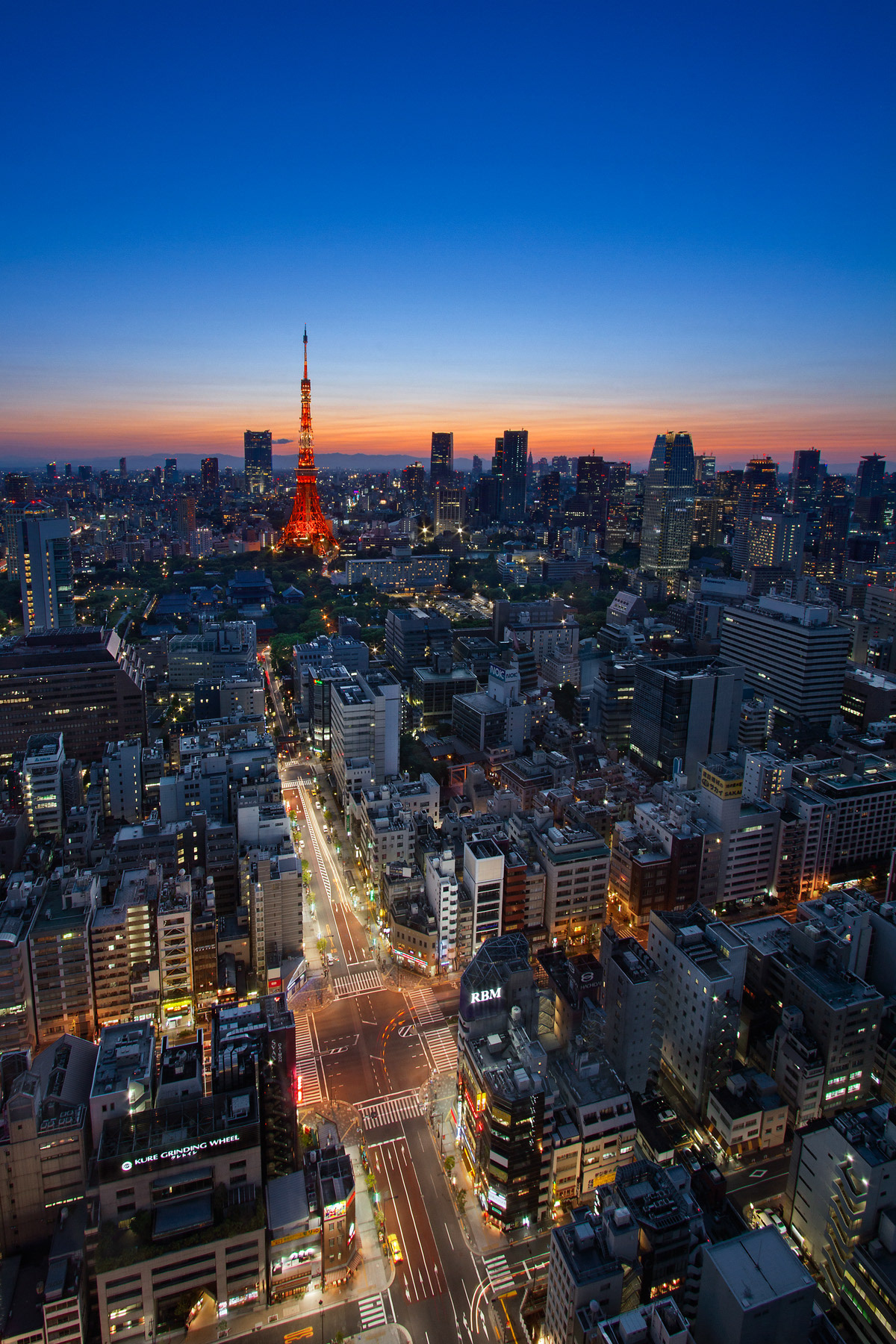
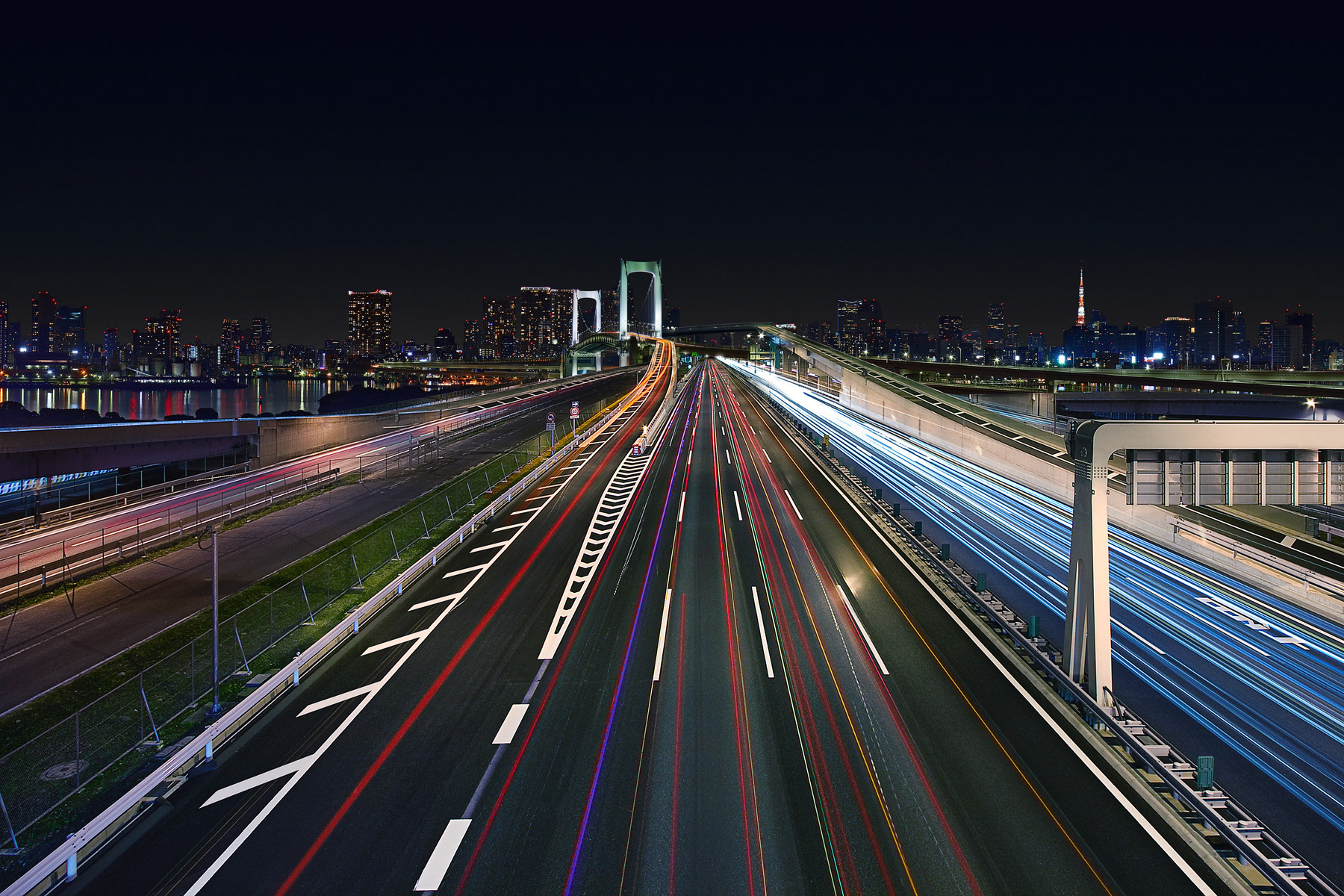
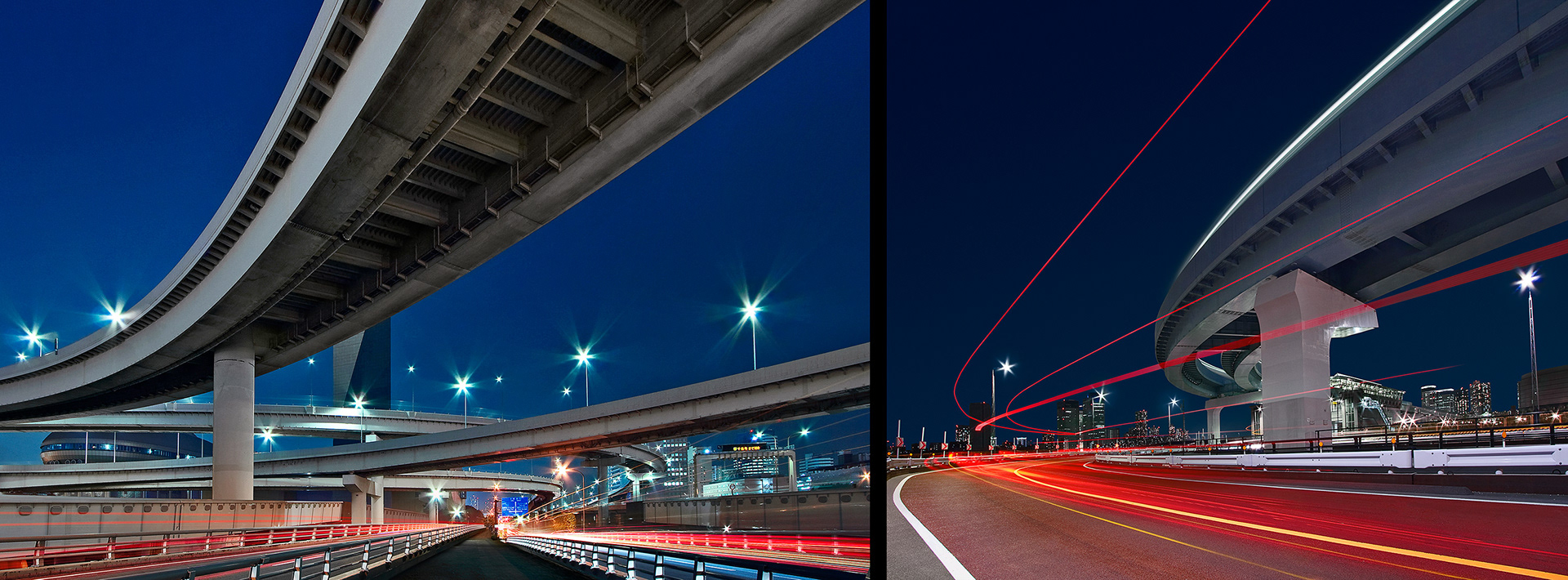
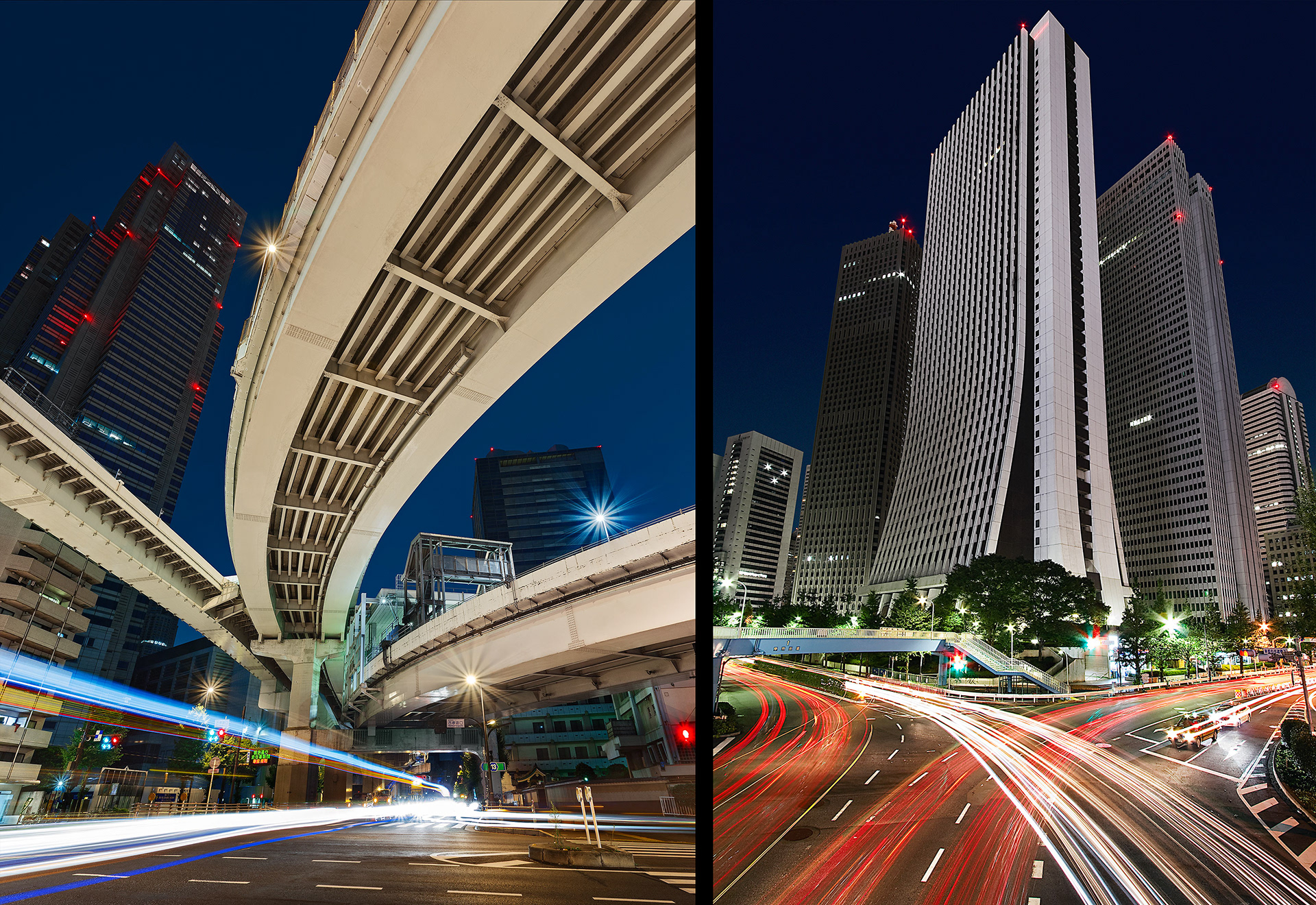
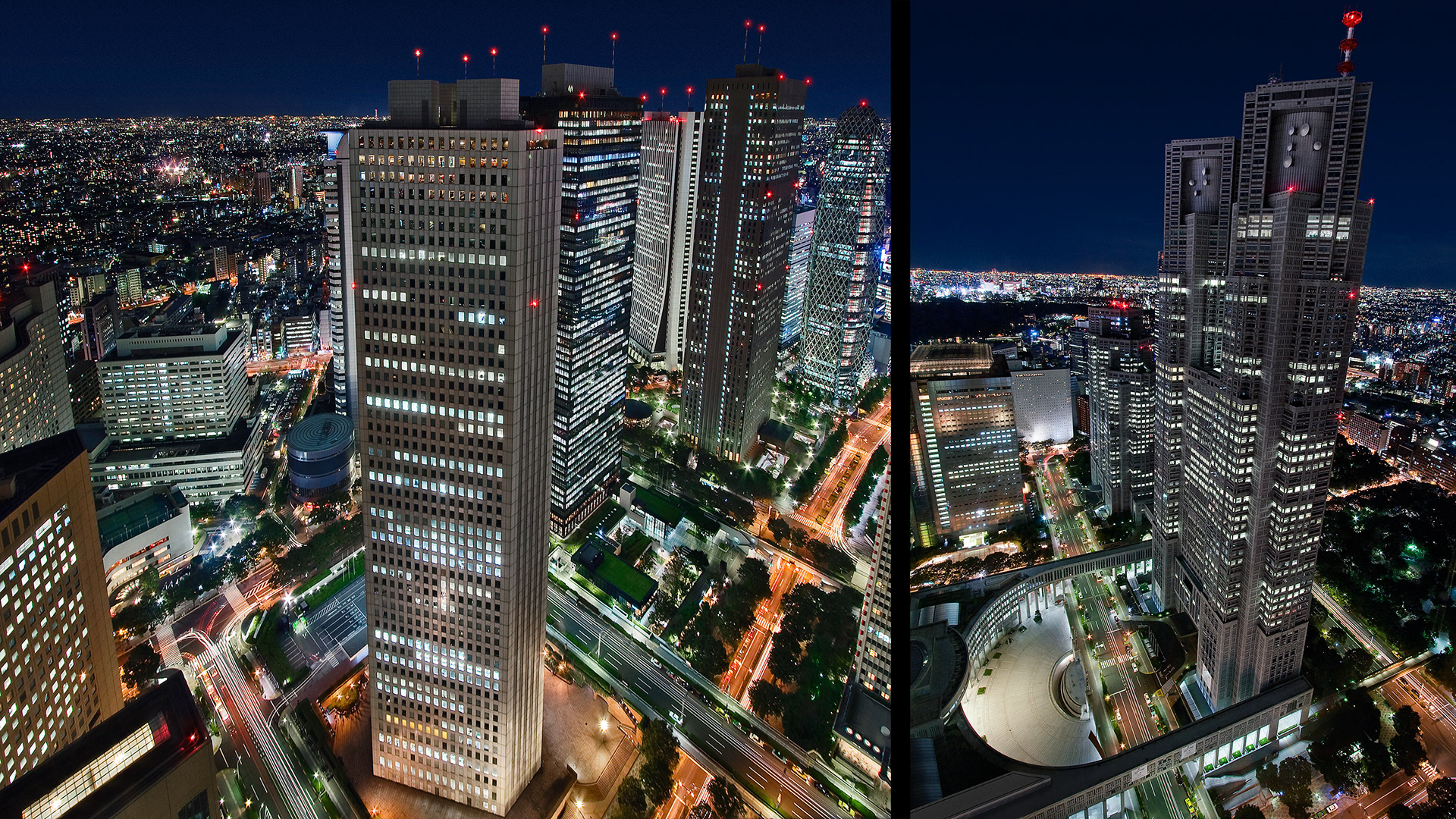

I grew up in England, but I was aware of Japan from an early age. I started doing judo and karate when I was 6 years old and I started playing Japanese video games from roughly the same age. My dad was an architect too, so I was always subconsciously interested in buildings and cities. He had a Canon AE-1 SLR camera which I was fascinated by and I remember that “Made in Japan” was inscribed on it. Lots of the other electronic gadgets of my childhood were also from Japan. Products such as Nintendo Gameboy, Sega Megadrive, Sony Playstation, Sony Walkman, Casio G-Shock, etc. These high tech products made me believe that Japan was a very futuristic place and this belief was further enhanced when I saw Japanese anime like Gundam and Akira.
After living in Japan for 10 years, I don’t think that life here is any more futuristic than it is in any other developed country. But in these images, I try to transform Japan into the digital future world that I had imagined it to be - as the Land of Technology.
イギリスで生まれ育った私は、6歳の頃から柔道を習い始め、日本のテレビゲームにも夢中になりました。
同じ頃、建築家だった父が愛用していた一眼レフカメラには「Made in Japan」の文字が刻まれていて、その響きに惹かれたことをよく覚えています。
他にも任天堂のゲームボーイ、ソニーのプレイステーションにウォークマン、カシオのGショック――身の回りにあった数々の日本製のガジェットが、日本をきわめて未来的な国だと思わせてくれました。
その印象は、『ガンダム』や『AKIRA』といったアニメからも、さらに確かなものになっていきました。
日本で暮らすようになった今、日本が他の先進国より格段に未来的ではないことを私は知っています。
それでも、幼い頃に憧れた日本製のガジェットを彷彿とさせる建築たちを夜の東京に見出し、少年時代に思い描いていた「テクノロジーの国・日本」という幻想を描き出そうと思ったのです。
同じ頃、建築家だった父が愛用していた一眼レフカメラには「Made in Japan」の文字が刻まれていて、その響きに惹かれたことをよく覚えています。
他にも任天堂のゲームボーイ、ソニーのプレイステーションにウォークマン、カシオのGショック――身の回りにあった数々の日本製のガジェットが、日本をきわめて未来的な国だと思わせてくれました。
その印象は、『ガンダム』や『AKIRA』といったアニメからも、さらに確かなものになっていきました。
日本で暮らすようになった今、日本が他の先進国より格段に未来的ではないことを私は知っています。
それでも、幼い頃に憧れた日本製のガジェットを彷彿とさせる建築たちを夜の東京に見出し、少年時代に思い描いていた「テクノロジーの国・日本」という幻想を描き出そうと思ったのです。
A Dialogue with Photography
YOSHINO Chieko (Editor of Nippon Camera Magazine)
When I first encountered Sam Pritchard’s Land of Technology photographs I was overwhelmed by their impact and struck by the feeling that I was being drawn into another world. The meticulous attention to detail in Andreas Gursky’s images, the layering of Shintaro Sato’s photography and scenes from Alfred Hitchcock’s Rear Window all sprang into my mind.
Made in 1954 when Hitchcock was at the height of his maturity as a filmmaker, Rear Window co-starred James Stewart and Grace Kelly, and is full of Hitchcock’s signature thrills and suspense. A photographer who is housebound due to a leg injury, witnesses a murder whilst observing the building opposite his apartment and, with his girlfriend, attempts to track down the killer.
Even though the times and the situations are different, I was very much aware of Rear Window when I saw the buildings in Sam’s photographs. James Stewart plays the role of a true photographer - injured and immobilised, he passes the time by watching the residents in each window of the building using a telephoto lens. He can observe their lives as if he were holding them in his hand.
The buildings in some of Sam’s photographs however, are towering structures in the midst of a metropolis, and although there is an abundance of business activity, there is no sense of life. Yet, because of the detail, the viewer can sense the breathing of the city’s inhabitants, and can imagine that an office romance might be found there, or that a murder might take place and be caught on camera.
This is a kind of theft. It is this theft, or peeking, that is the essence of photography, isn’t it? I was intrigued and excited by this connection between Sam’s photography and Rear Window.
Looking at some of the other images from the Land of Technology series (which appear to be futuristic visions of subway entrances and exits), I realised that Sam’s world is filled with a free imagination that is not usually contemplated by the Japanese mind.
This reminded me of an unfortunate set of circumstances involving the architect Sacha Hadid, who is known as the “Queen of the Unbuilt”. She was commissioned to design the new National Stadium in Tokyo but her initial proposal was rejected. Budgetary reasons were cited as the official excuse, but I believe it was actually due to a backlash against an expression within her design that was considered too foreign to Japan. When I asked myself “What does ‘Japan’ actually mean?”, it dawned on me that that is why I had wanted to see her design actualised in Tokyo - so that it might show us something about ourselves and Japan that we may ordinarily overlook.
Through Sam’s powerfully imaginative photographs, I was able to see the same kind of freedom of thought that was expressed in Hadid’s architecture. In other words, the power to break through stereotypes, to create images of an unknown world and give us a glimpse of somewhere that is not in our DNA - these aspects all seem to be part of Sam’s work, which feels refreshing and uplifting to me.
Unexpected places like Ariake and Odaiba also appear in this collection of photographs. The photographer selects, captures and constructs the world, transforms it, then presents it back to us leaving the viewer free to let their mind wander wherever it takes them. This is, more than anything else, a photographic act. It has been a long time since I enjoyed photography in this way.
YOSHINO Chieko (Editor of Nippon Camera Magazine)
When I first encountered Sam Pritchard’s Land of Technology photographs I was overwhelmed by their impact and struck by the feeling that I was being drawn into another world. The meticulous attention to detail in Andreas Gursky’s images, the layering of Shintaro Sato’s photography and scenes from Alfred Hitchcock’s Rear Window all sprang into my mind.
Made in 1954 when Hitchcock was at the height of his maturity as a filmmaker, Rear Window co-starred James Stewart and Grace Kelly, and is full of Hitchcock’s signature thrills and suspense. A photographer who is housebound due to a leg injury, witnesses a murder whilst observing the building opposite his apartment and, with his girlfriend, attempts to track down the killer.
Even though the times and the situations are different, I was very much aware of Rear Window when I saw the buildings in Sam’s photographs. James Stewart plays the role of a true photographer - injured and immobilised, he passes the time by watching the residents in each window of the building using a telephoto lens. He can observe their lives as if he were holding them in his hand.
The buildings in some of Sam’s photographs however, are towering structures in the midst of a metropolis, and although there is an abundance of business activity, there is no sense of life. Yet, because of the detail, the viewer can sense the breathing of the city’s inhabitants, and can imagine that an office romance might be found there, or that a murder might take place and be caught on camera.
This is a kind of theft. It is this theft, or peeking, that is the essence of photography, isn’t it? I was intrigued and excited by this connection between Sam’s photography and Rear Window.
Looking at some of the other images from the Land of Technology series (which appear to be futuristic visions of subway entrances and exits), I realised that Sam’s world is filled with a free imagination that is not usually contemplated by the Japanese mind.
This reminded me of an unfortunate set of circumstances involving the architect Sacha Hadid, who is known as the “Queen of the Unbuilt”. She was commissioned to design the new National Stadium in Tokyo but her initial proposal was rejected. Budgetary reasons were cited as the official excuse, but I believe it was actually due to a backlash against an expression within her design that was considered too foreign to Japan. When I asked myself “What does ‘Japan’ actually mean?”, it dawned on me that that is why I had wanted to see her design actualised in Tokyo - so that it might show us something about ourselves and Japan that we may ordinarily overlook.
Through Sam’s powerfully imaginative photographs, I was able to see the same kind of freedom of thought that was expressed in Hadid’s architecture. In other words, the power to break through stereotypes, to create images of an unknown world and give us a glimpse of somewhere that is not in our DNA - these aspects all seem to be part of Sam’s work, which feels refreshing and uplifting to me.
Unexpected places like Ariake and Odaiba also appear in this collection of photographs. The photographer selects, captures and constructs the world, transforms it, then presents it back to us leaving the viewer free to let their mind wander wherever it takes them. This is, more than anything else, a photographic act. It has been a long time since I enjoyed photography in this way.
写真との対話
吉野千枝子 月刊「日本カメラ」
編集部 サム・プリチャードの写真に出会った時、迫力に圧倒されつつも、別の何ものかの世界に誘われるように感じたのが印象的だった。
アンドレアス・グルスキーの徹底したディテールのこだわり、 佐藤信太郎の重ねるレイヤー、そしてアルフレッド・ヒッチ コックの『裏窓』。
『裏窓』はジェームズ・スチュアートとのちにモナコ大公夫人 となるグレース・ケリーが共演した、ヒッチコックが円熟味を 増してきた頃の作品。足の怪我で身動きの取れないカメラマンが、向かいにあるビルを眺めているうちに、殺人事件を目撃し、恋人のグレース・ケリーとともに犯人を追い詰め、逆に追い詰められていくという、ヒッチコックお得意のスリルとサスペンスに溢れた映画で、1954年に制作され公開されたもの。
時代もシチュエーションも違いがあるのに、サムのビルを写し出した作品を見て、『裏窓』を強く意識した。ジェームズ・ス チュアートが演じるのは、まさにカメラマン。怪我をして不自 由な身となり、何するでもなく向かいのビルの人々の様子を見ることで時間潰しをする。それぞれの窓の中にいる人々の生活が手に取るように見えてしまう。しかも望遠レンズまで使ってだ。サムのビルは大都会の屹立したビルであり、そこにはビジネスシーンはあっても生活感はない。ところが見ている方は、ディテールまで描かれているため、人々の呼吸を感じしてしまうし、そこでオフィスラブが見つかってしまわないだろうか、はたまた殺人が行われているところを写しとっているのではないかと想像をたくましくする。まさに窃視である。窃視、つまり覗き見こそその写真的な本質をついているのではないだろうか。サムの写真から『裏窓』へとつながることに、私は興味をかき立てられ興奮もした。
地下鉄の出入口の未来図とも思える作品を見ていると、サムの世界が日本人ではおさまらない、自由な想像力に溢れていることに気づかされる。そしてある残念な出来事に行き着いた。それは新国立競技場の最初のデザイン案を採用されたザッハ・ハディッドの作品がボツになったことだ。彼女は「アンビルト(建たず)の女王」の異名を持つ建築家で、新国立競技場のデザインは予算面でボツになったのが表の理由であったが、実のところあの日本には異質と思われる表現が反発を受けたからだと思う。その「日本」がなんであるかを問うた時、だからこそ彼女の作品を代々木で見てみたかった。そのザッハ・ハディッドの自由さと通じるのびやかさをサムの作品に見ることができたのも、サムの中にある想像を逞くする力なんだと思った。そこに共通する、固定概念を突き破る力、どこかへと広がる映像をみていると、自分のDNAにはない世界を垣間見ることができる。そのことにも私は興奮した。そしてこの作品集には思いがけない有明やお台場が登場する。撮る側が世界を写しとりまたは構築し投げかける。見る側が自由に思いを馳せていく。これこそ何にも増して写真的な行為と言えるのではないだろうか。 久しぶりに写真が楽しくなった。
吉野千枝子 月刊「日本カメラ」
編集部 サム・プリチャードの写真に出会った時、迫力に圧倒されつつも、別の何ものかの世界に誘われるように感じたのが印象的だった。
アンドレアス・グルスキーの徹底したディテールのこだわり、 佐藤信太郎の重ねるレイヤー、そしてアルフレッド・ヒッチ コックの『裏窓』。
『裏窓』はジェームズ・スチュアートとのちにモナコ大公夫人 となるグレース・ケリーが共演した、ヒッチコックが円熟味を 増してきた頃の作品。足の怪我で身動きの取れないカメラマンが、向かいにあるビルを眺めているうちに、殺人事件を目撃し、恋人のグレース・ケリーとともに犯人を追い詰め、逆に追い詰められていくという、ヒッチコックお得意のスリルとサスペンスに溢れた映画で、1954年に制作され公開されたもの。
時代もシチュエーションも違いがあるのに、サムのビルを写し出した作品を見て、『裏窓』を強く意識した。ジェームズ・ス チュアートが演じるのは、まさにカメラマン。怪我をして不自 由な身となり、何するでもなく向かいのビルの人々の様子を見ることで時間潰しをする。それぞれの窓の中にいる人々の生活が手に取るように見えてしまう。しかも望遠レンズまで使ってだ。サムのビルは大都会の屹立したビルであり、そこにはビジネスシーンはあっても生活感はない。ところが見ている方は、ディテールまで描かれているため、人々の呼吸を感じしてしまうし、そこでオフィスラブが見つかってしまわないだろうか、はたまた殺人が行われているところを写しとっているのではないかと想像をたくましくする。まさに窃視である。窃視、つまり覗き見こそその写真的な本質をついているのではないだろうか。サムの写真から『裏窓』へとつながることに、私は興味をかき立てられ興奮もした。
地下鉄の出入口の未来図とも思える作品を見ていると、サムの世界が日本人ではおさまらない、自由な想像力に溢れていることに気づかされる。そしてある残念な出来事に行き着いた。それは新国立競技場の最初のデザイン案を採用されたザッハ・ハディッドの作品がボツになったことだ。彼女は「アンビルト(建たず)の女王」の異名を持つ建築家で、新国立競技場のデザインは予算面でボツになったのが表の理由であったが、実のところあの日本には異質と思われる表現が反発を受けたからだと思う。その「日本」がなんであるかを問うた時、だからこそ彼女の作品を代々木で見てみたかった。そのザッハ・ハディッドの自由さと通じるのびやかさをサムの作品に見ることができたのも、サムの中にある想像を逞くする力なんだと思った。そこに共通する、固定概念を突き破る力、どこかへと広がる映像をみていると、自分のDNAにはない世界を垣間見ることができる。そのことにも私は興奮した。そしてこの作品集には思いがけない有明やお台場が登場する。撮る側が世界を写しとりまたは構築し投げかける。見る側が自由に思いを馳せていく。これこそ何にも増して写真的な行為と言えるのではないだろうか。 久しぶりに写真が楽しくなった。
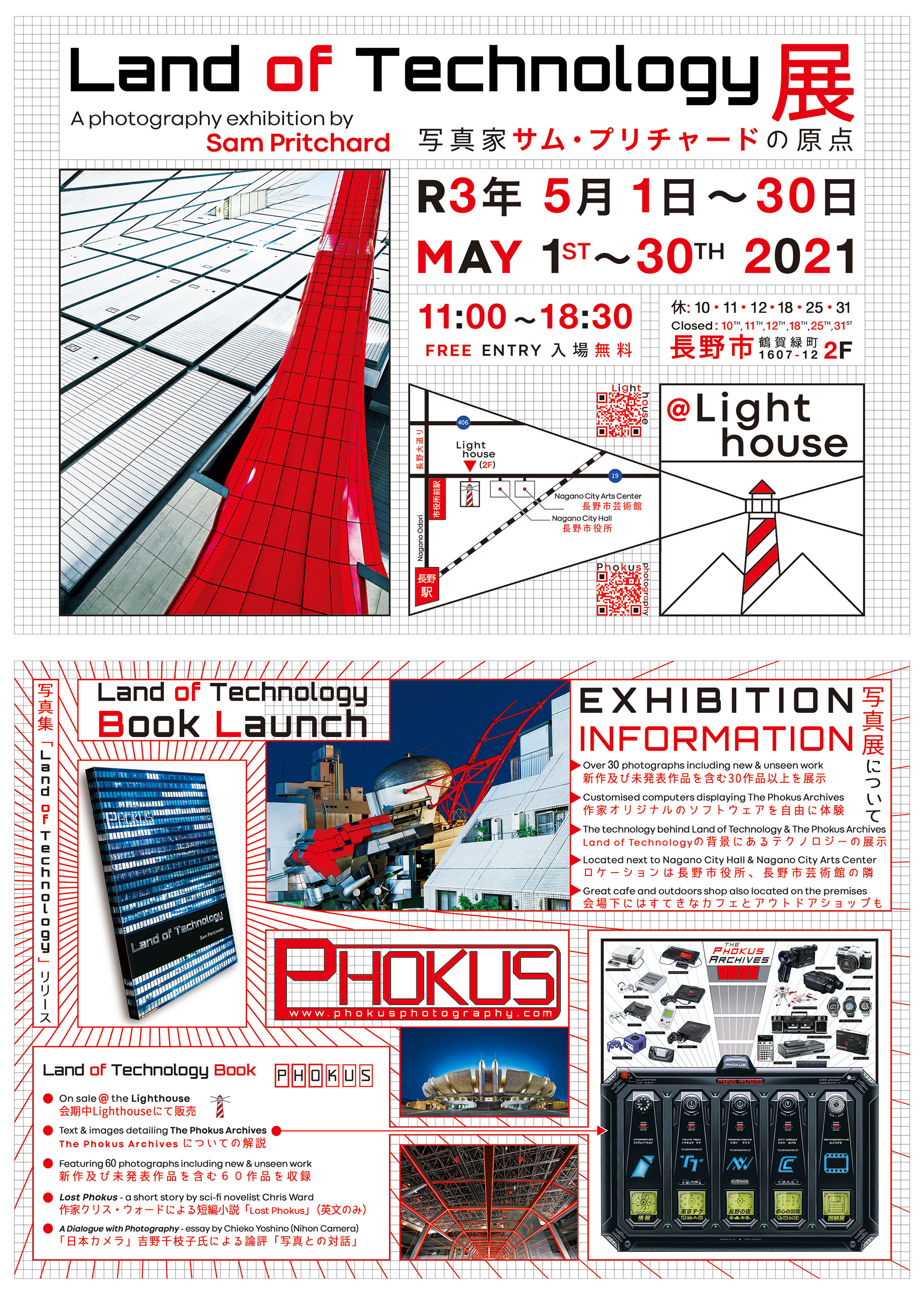
Land of Technology @ Light House, Nagano
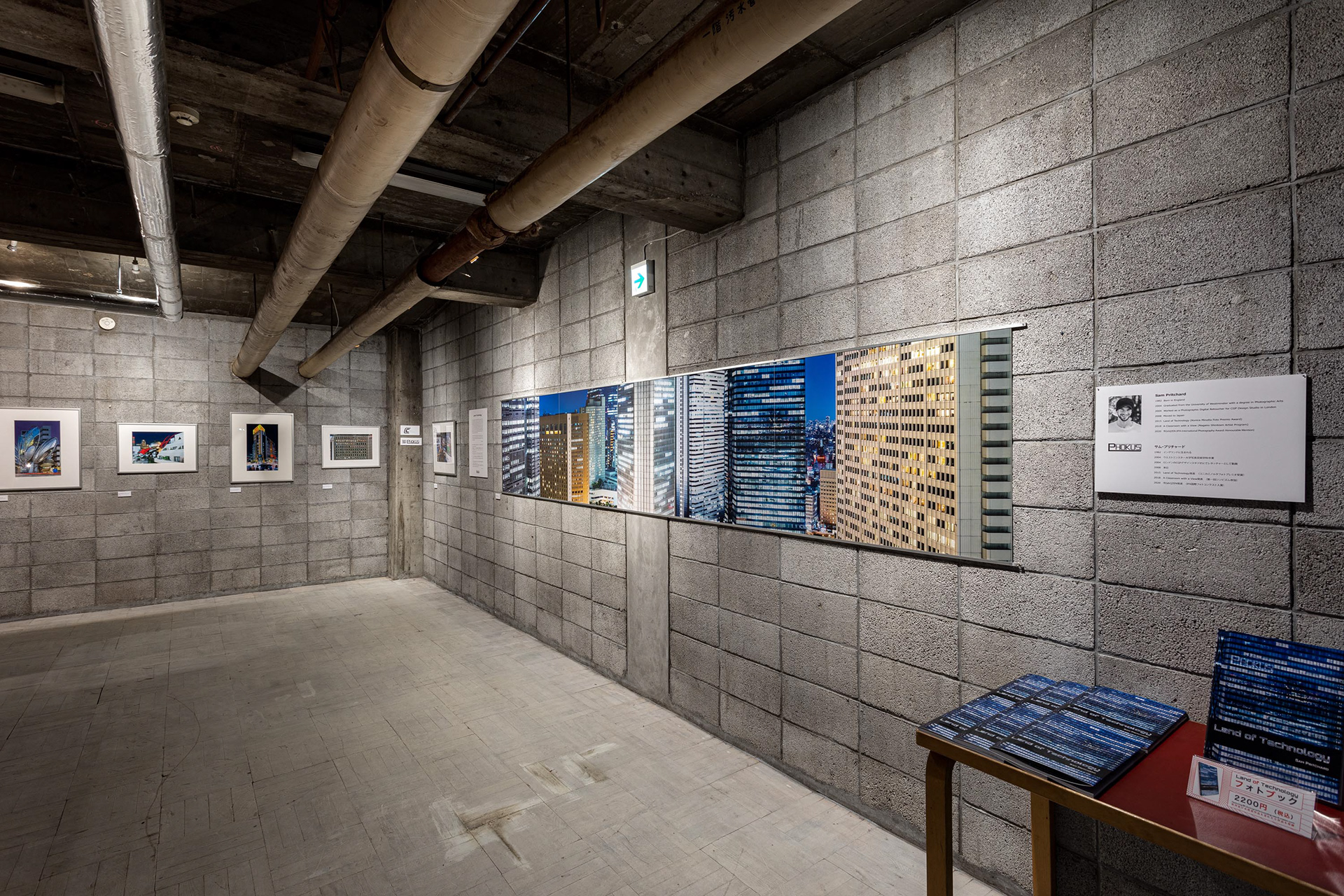
Land of Technology @ Light House, Nagano
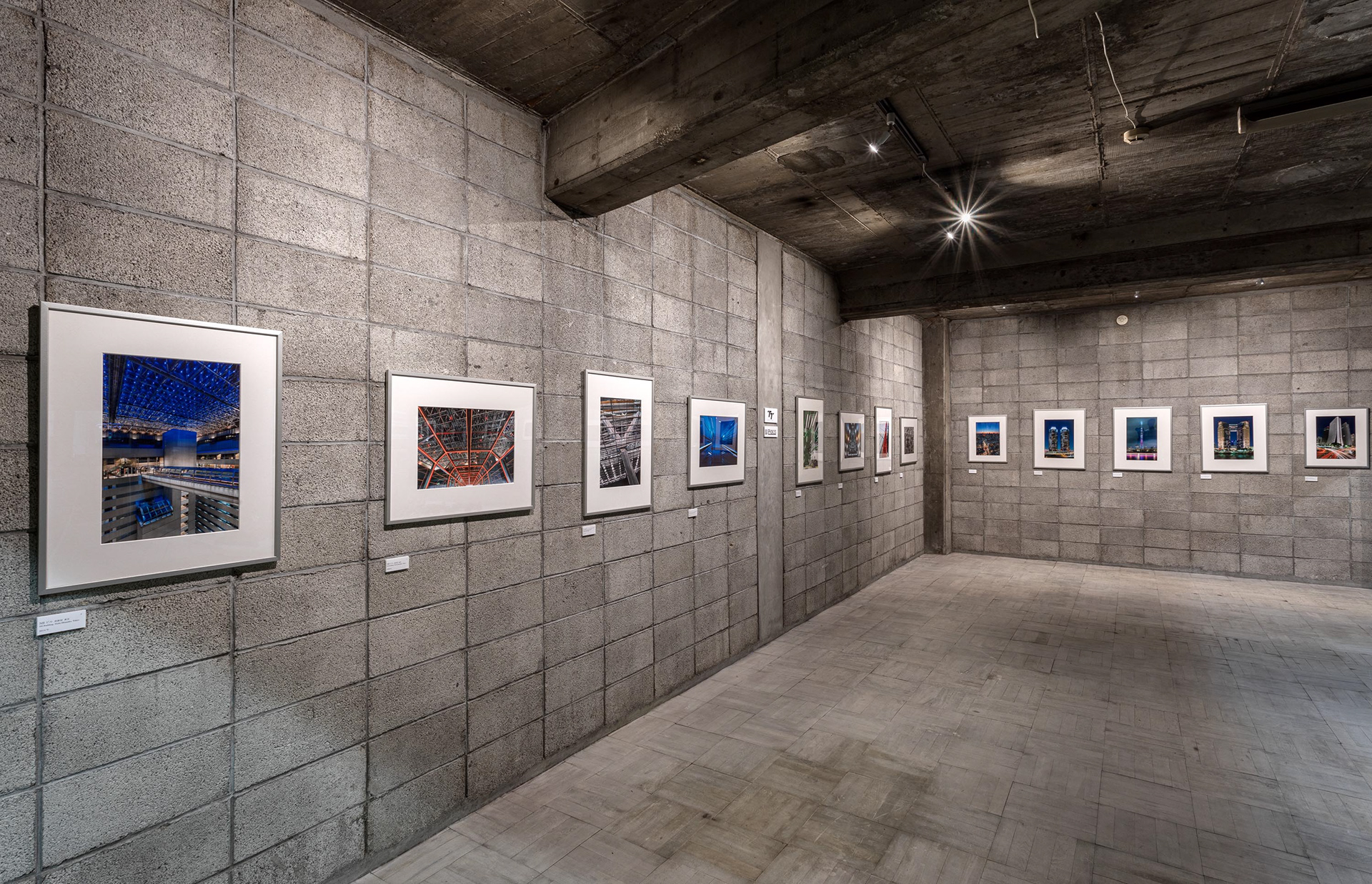
Land of Technology @ Light House, Nagano
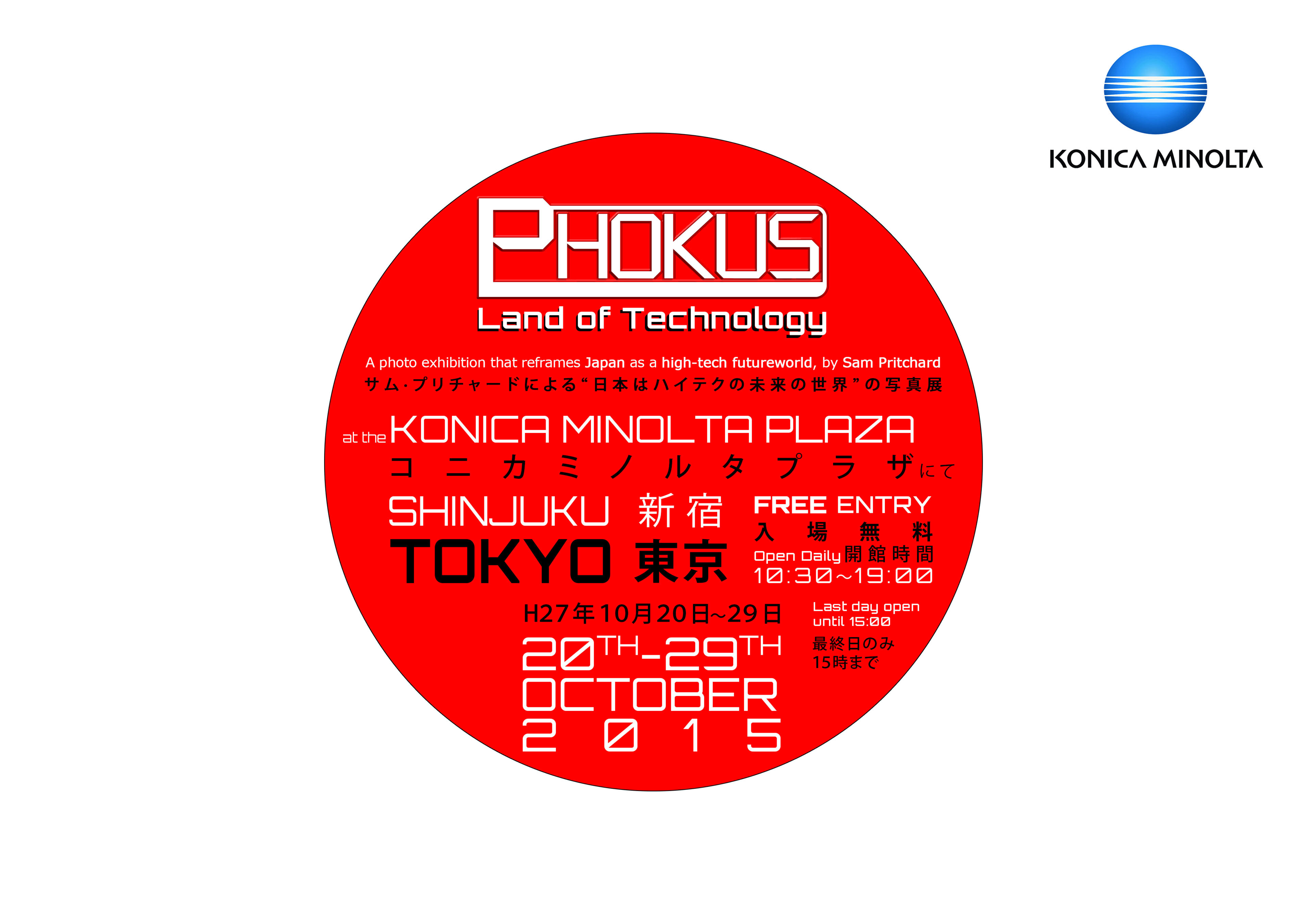
Land of Technology @ Konca Minolta Plaza, Tokyo
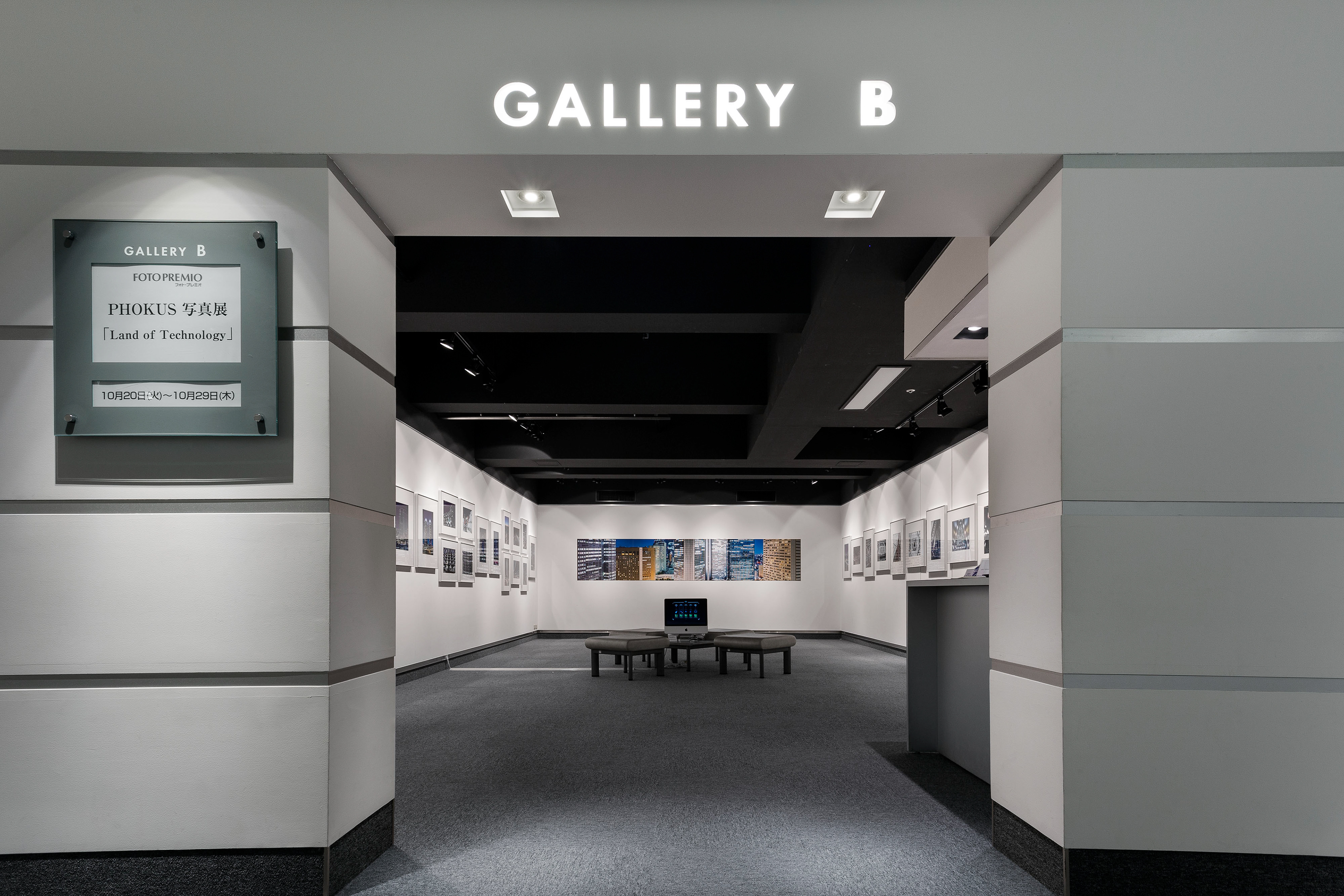
Land of Technology @ Konca Minolta Plaza, Tokyo
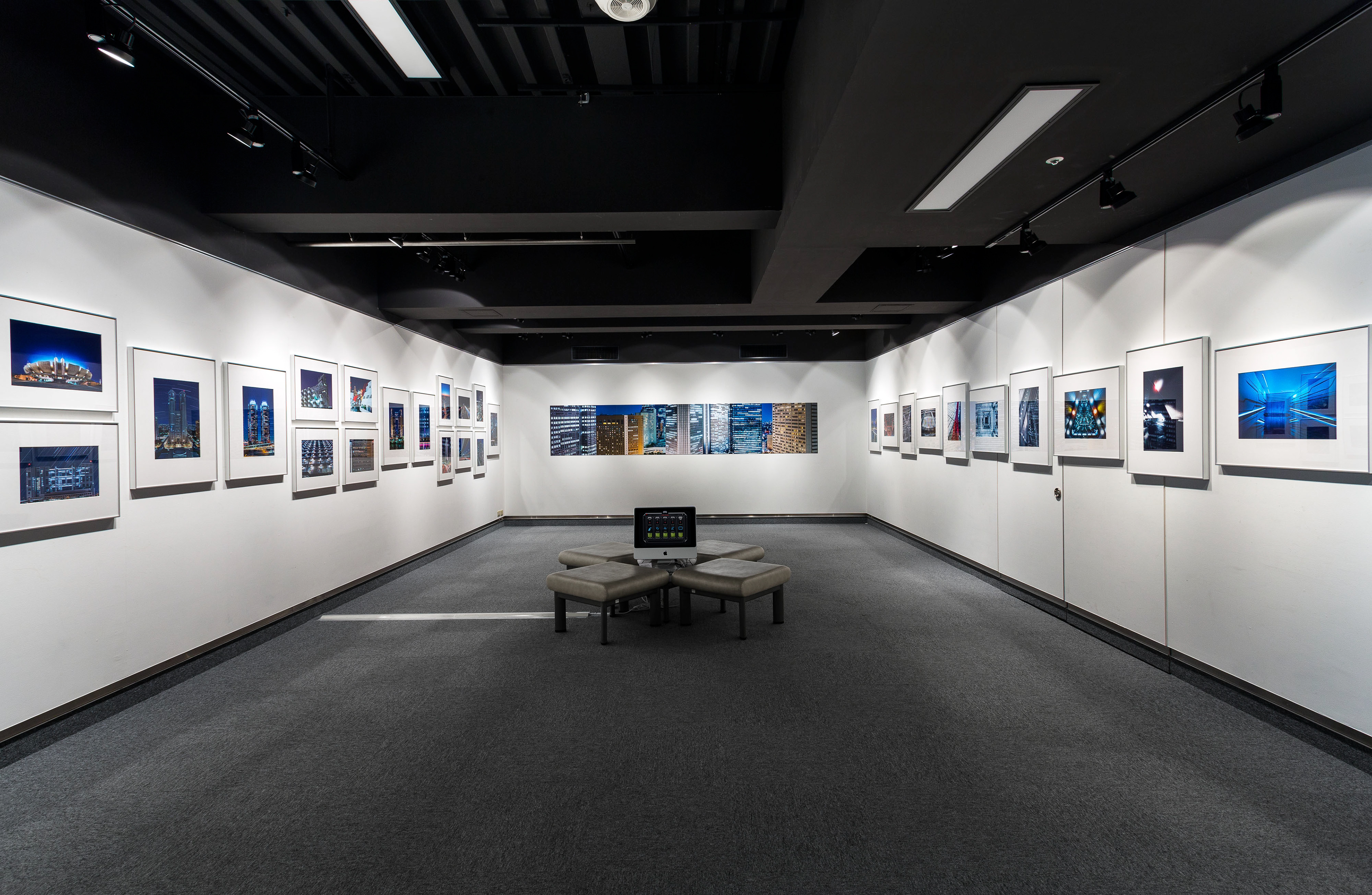
Land of Technology @ Konca Minolta Plaza, Tokyo
Also be sure to check out...